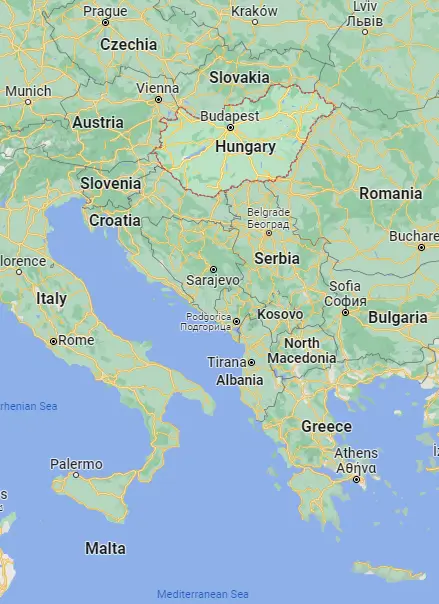
Hungary is 1 of the strongest destinations in Europe to study physiotherapy in English, thanks to being home to 2 of the continent's most respected health sciences universities. Here, you can study internationally recognised 4-year BSc physiotherapy degrees, flexible entry requirements, affordable tuition fees, and extensive practical training with patients in real-world clinical settings.
About Studying Physiotherapy in Hungary in English
Hungary has built a reputation as an exceptional destination for both medical and health science higher education.
The 4-year BSc in physiotherapy in Hungary covers everything from foundational health sciences in anatomy, physiology, pathophysiology, and biomechanics through to advanced clinical modules in musculoskeletal, neurological, cardiorespiratory, paediatric, and rehabilitation physiotherapy. A major strong point is that the universities in Hungary have their own networks of affiliated teaching hospitals and clinical sites, giving students direct exposure to real patient care from an early stage.
Hungary is an EU and Schengen member state, meaning the degrees its universities award are structured to comply with EU higher education standards and are automatically recognised across the European Union.
Why Study Physiotherapy in Hungary in English
4-year accredited BSc physiotherapy degrees taught entirely in English
Extensive clinical training in hospitals, rehabilitation centres, and specialist clinics
Internationally recognised degrees that are automatically recognised across EU member states
Affordable tuition fees and living costs
Diverse, multicultural student communities with students from over 100 countries
EU and Schengen member
Graduates can apply to practise as physiotherapists in the UK via the HCPC
Full support from application to graduation with Medlink Students
Best Physiotherapy Universities In Hungary
Check out our breakdown of the top physiotherapy schools in Hungary
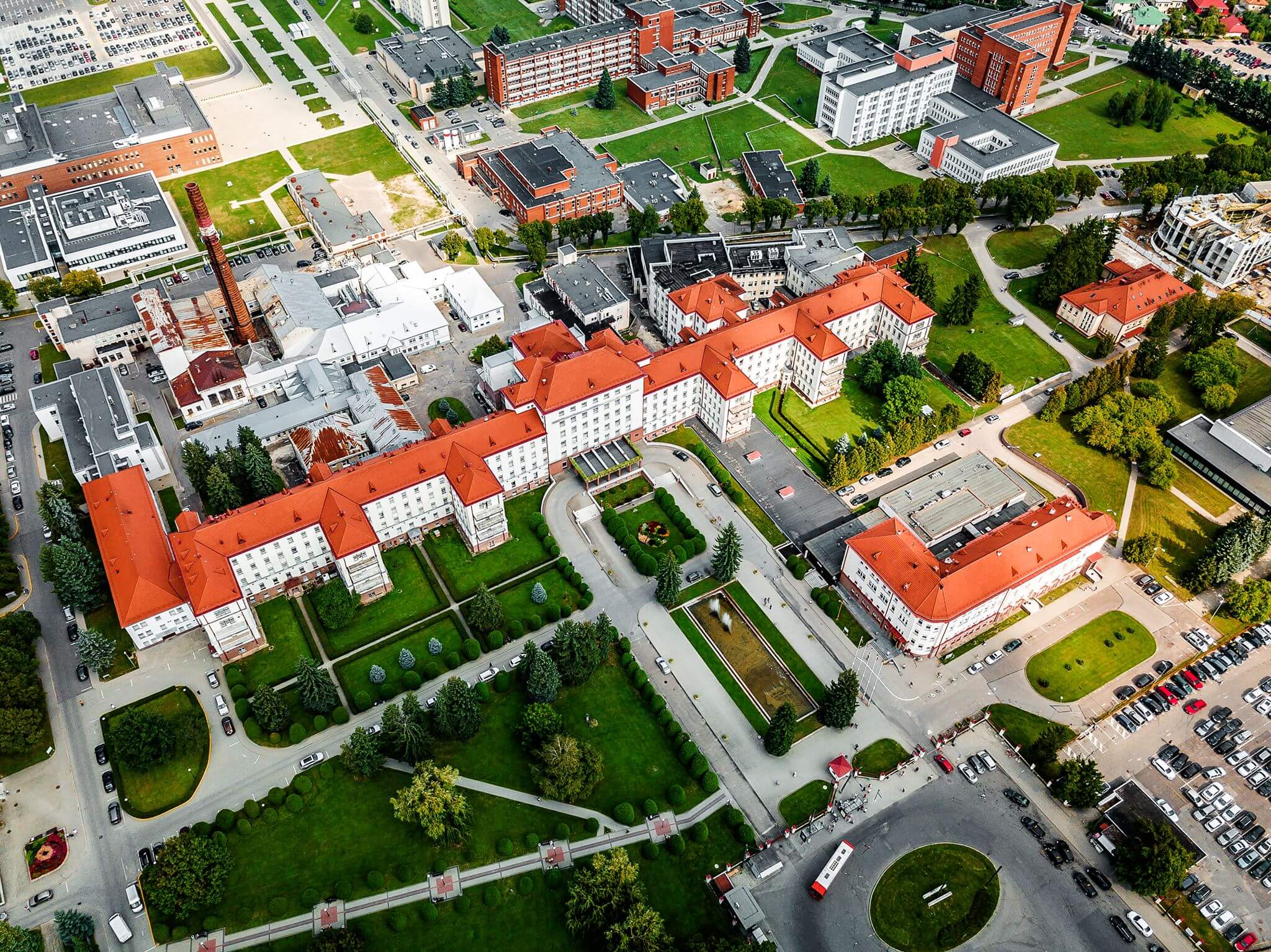
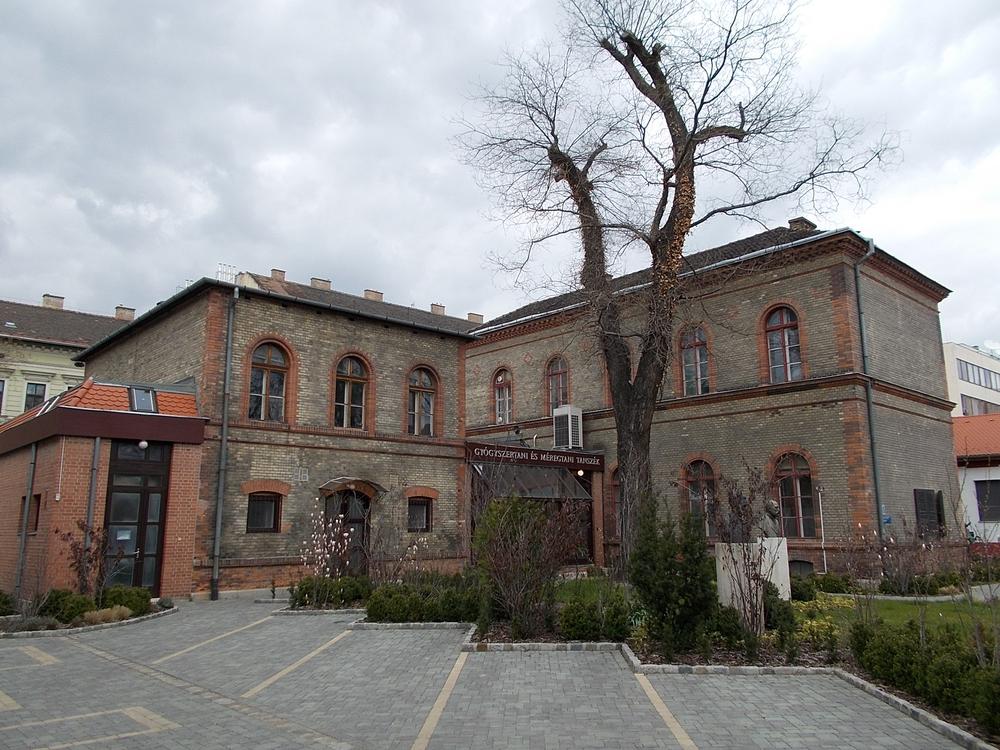
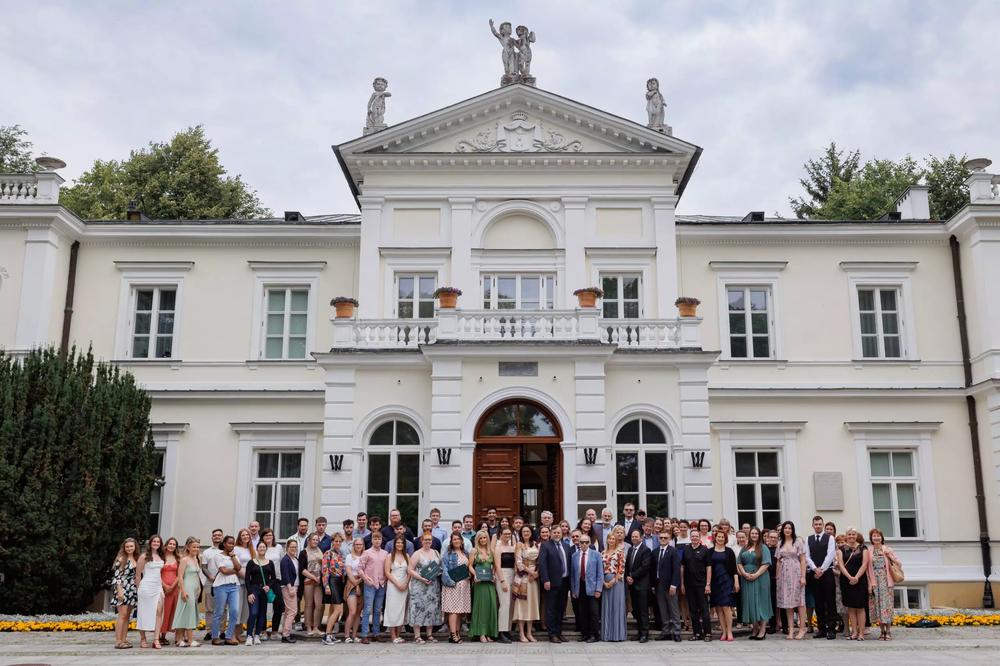
Semmelweis University was founded all the way back in 1769, making it the oldest medical school in Hungary. Throughout its history, it has educated some of the most influential minds in medicine, and continues to prepare students to the absolute highest standard of modern medicine. Today it hosts over 11,000 students, a third of which international.
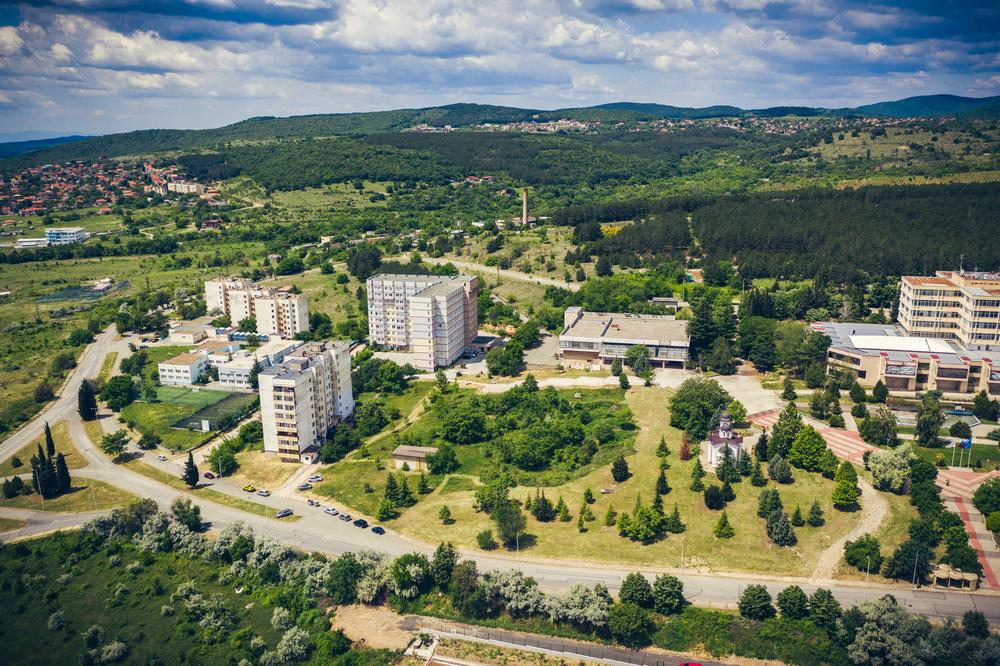
The University of Pecs was founded in 1912, making one of Hungary's oldest and most prestigious institutes of higher learning. It currently hosts over 20,000 students, a fifth of which from outside Hungary and enrolled in one of the university's English-language programs, including medicine, dentistry and pharmacy.
Quick Facts
Location
Hungary
Courses
Physiotherapy
Tuition
Graduate Entry
No
Entrance Exam
Yes
Living Costs
Tuition Fees In Hungary
Average cost per year per course in Hungary
~
PHYSIOTHERAPY
The Top Physiotherapy Universities in Hungary for International Students
These are the top universities offering physiotherapy courses in Hungary in English:
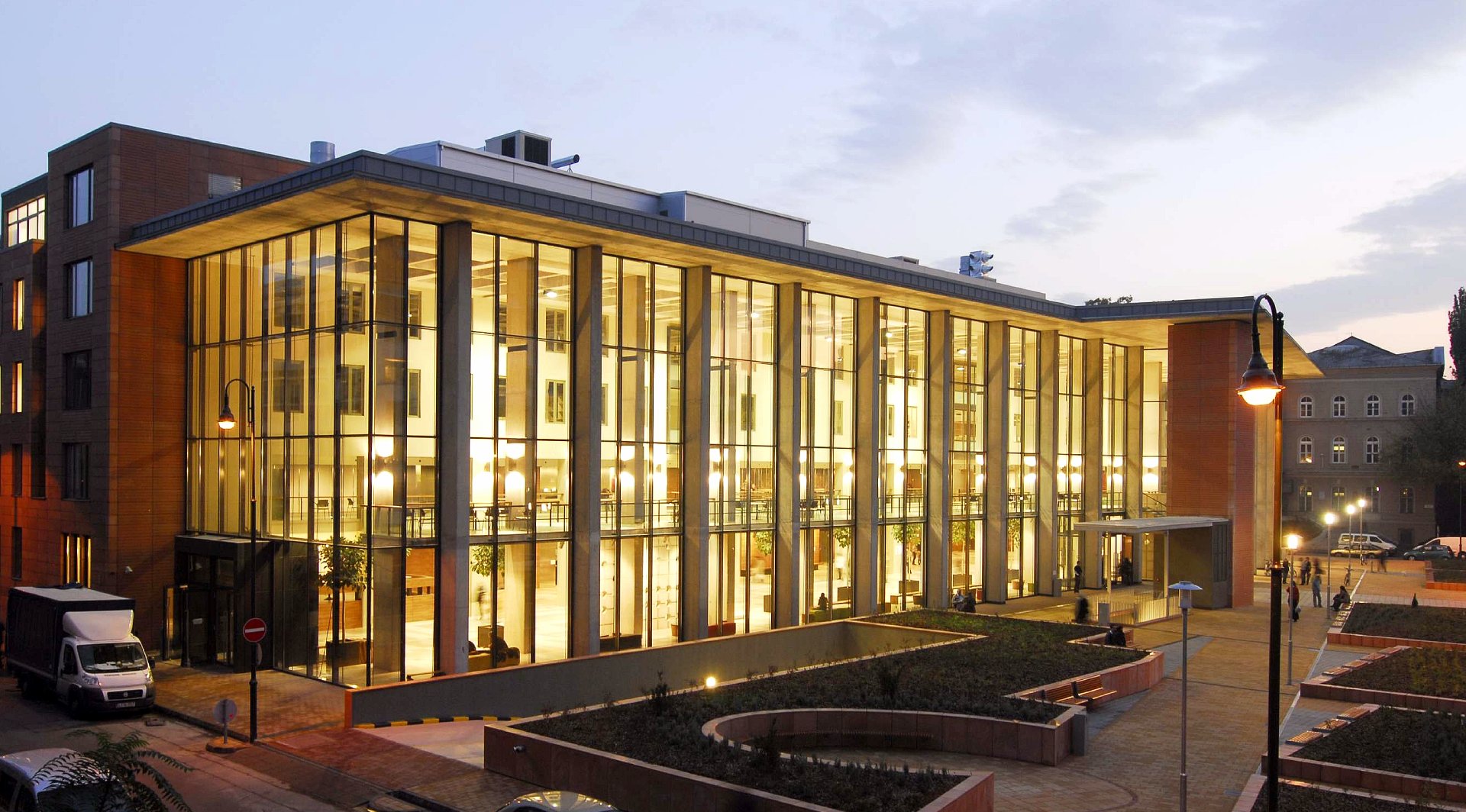
Founded in 1769, Semmelweis University is 1 of the most prestigious and most respected medical universities in Europe. The Semmelweis University physiotherapy programme is a 4-year BSc that is accredited by World Physiotherapy (the World Confederation of Physical Therapy), a globally recognised professional body.
The curriculum is taught entirely in English by the Faculty of Health Sciences in Budapest. It is structured so that students spend the 1st year building a comprehensive foundation in the health sciences before moving into physiotherapy-specific theoretical and practical modules from year 2. Clinical training takes place progressively throughout the degree at Semmelweis's own network of affiliated teaching hospitals and clinical sites in Budapest. The 4th year is dedicated primarily to field placements and the completion of a thesis, after which students receive their internationally recognised BSc degree in physiotherapy.
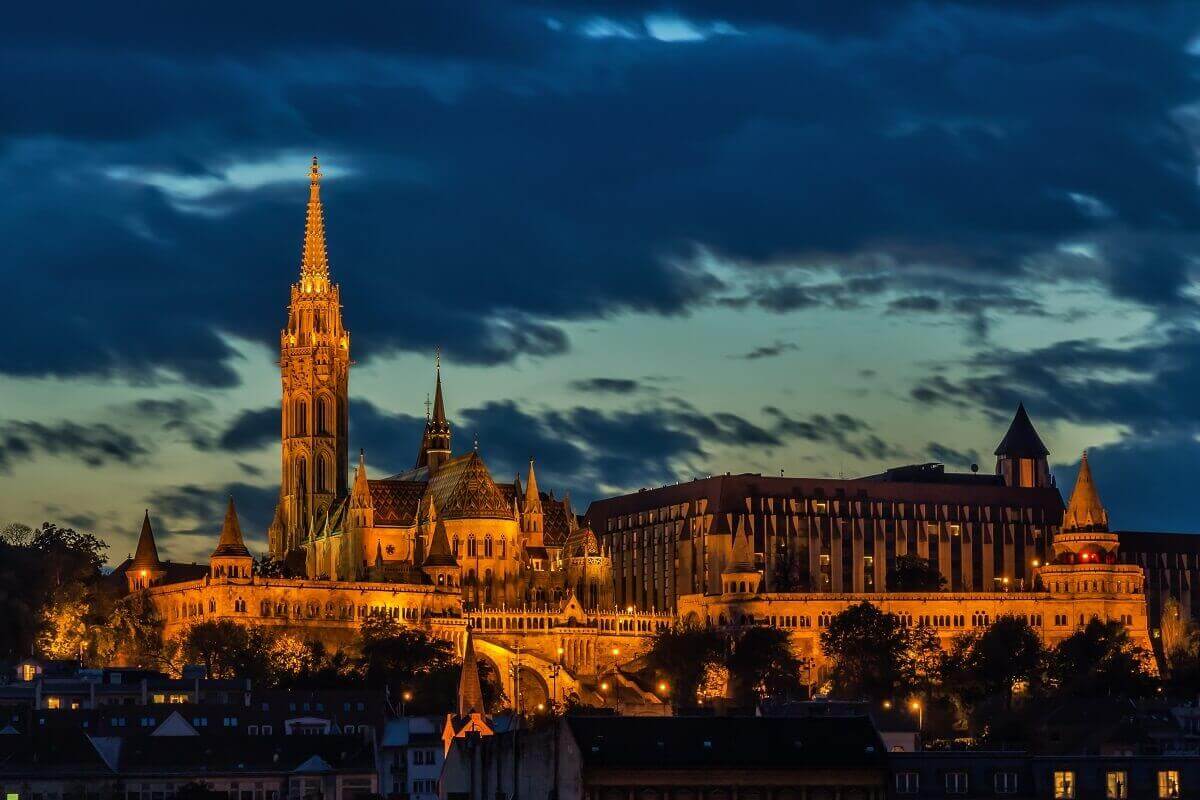
Budapest itself is 1 of Europe's best student cities. It is affordable, very culturally rich, historically significant, and well-connected to the rest of the country and the whole of Europe.
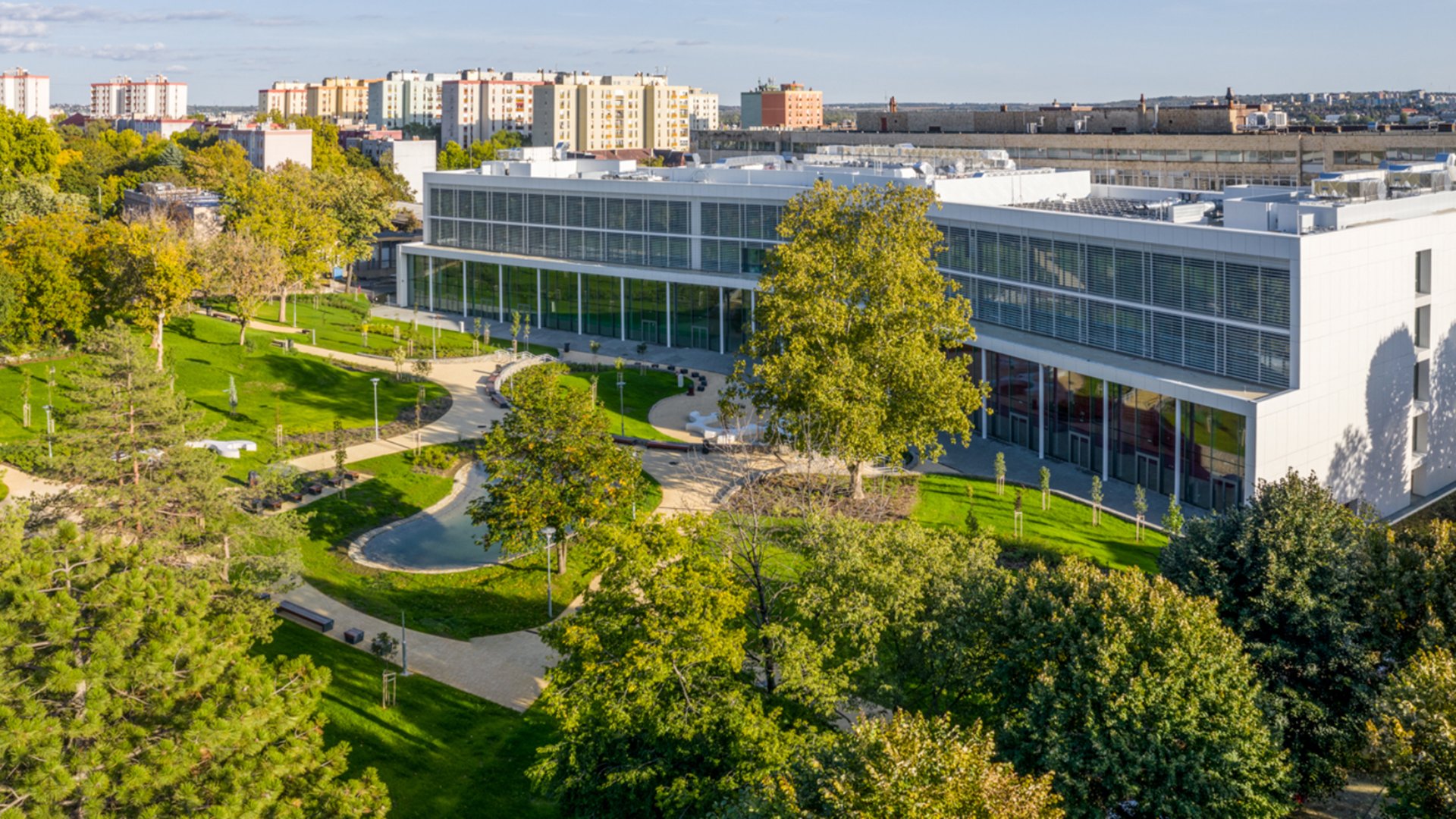
The University of Pecs was established in 1367, making it the oldest university in Hungary and 1 of the oldest in all of Europe. Today, it is 1 of Hungary's largest universities, with over 25,000 students and 3,000 staff, and a well-established tradition of training exceptional professionals in the field of health sciences.
The University of Pecs physiotherapy programme is 4-years long and covers the full scope of the profession. This includes the basics of physiotherapy, manual techniques, cardiorespiratory physiotherapy, locomotor diseases, neurological and psychiatric physiotherapy, infant-paediatric and obstetrical-gynaecological physiotherapy, rehabilitation, electro-diagnostics, and radiology. As with Semmelweis, students progress from theory in the early years to hands-on clinical practice in real healthcare settings, giving them the patient contact and practical hours they need to step into the profession upon graduation.
The city of Pecs is both historically and culturally significant, as it is home to a UNESCO World Heritage site and has a rich arts scene and a relaxed, welcoming atmosphere that suits student life very well.
Entry Requirements to Study Physiotherapy in Hungary in English
To study physiotherapy in Hungary, the standard entry requirements are:
A high school diploma
English language proficiency at the B2 level or above
Strong science subjects (Biology and Physics)
Entrance exam and/or interview
Applicants also need to submit translated, notarised, and legalised documents.
Is It Hard to Get Into a Physiotherapy Programme in Hungary?
Physiotherapy in Hungary is competitive, but considerably more accessible than studying in the UK. The physical therapy school requirements in Hungary are very accessible, and the entrance exams are manageable with the right preparation. If you’re worried about the entrance exams, Medlink Students provides tailored exam and interview preparation materials designed specifically for each university.
If you want to confirm whether you meet the entry criteria, Medlink Students offers free consultations with our team of academic advisors. Sign up here to find out exactly what you need to apply.
How Much Does It Cost to Study Physiotherapy in Hungary?
Tuition fees for physiotherapy in Hungary in English range from to per year. For living costs in Hungary, most students spend between €800 and €1,200 per month on rent, utilities, transport, food, and leisure.
Rent
Utilities
Transport
Food
Leisure
€300 - €550
€60 - €100
€30 - €50
€200 - €350
€100 - €200
Why Study Physiotherapy in Hungary in English?
Studying physiotherapy in Hungary in 2025 is 1 of the strongest choices available for international students for many reasons:
Exceptional university reputation. Semmelweis University is among Europe's most respected health sciences universities, and the University of Pecs is 1 of the oldest and most prestigious universities in Europe.
Globally accredited and internationally recognised degrees.
The physiotherapy courses in Hungary are completely in English.
Extensive clinical training with placements in hospitals, rehabilitation centres, and specialist clinics.
Affordable fees and living costs.
EU and Schengen membership. Hungary's EU status means your degree is automatically recognised across all EU member states. You can live and work as a physiotherapist anywhere in the EU after completing local licensing requirements.
Multicultural and welcoming student experience with both universities attracts students from over 100 countries.
A pathway to UK practice. Graduates can register with the HCPC and practise as physiotherapists in the UK.
Can I Work in the UK After Studying Physiotherapy in Hungary?
Yes. Graduates of accredited physiotherapy programmes in Hungary can apply to register with the Health and Care Professions Council (HCPC), the UK regulatory body for physiotherapists and practise in the UK under the protected title of Physiotherapist or Physical Therapist.
As part of the HCPC application, you will need to provide:
Your professional qualification certificate (BSc degree)
A completed course information form from your university
Details of your theoretical and practical training hours
Evidence that your training and experience meet HCPC standards of proficiency
Evidence of English language proficiency
After assessment, the HCPC will either approve your application, ask you to complete a test of competence, or refuse the application if standards are not met. Studying physiotherapy in English in Hungary puts you in a strong position heading into this process.
What Is It Like Studying in Hungary as an International Student?
Hungary is an exceptional destination for international students, and consistently impresses those who choose to study there.
Budapest is 1 of Europe's most notable and enjoyable capital cities. It is a place of historic architecture, lively nightlife, excellent food, and a very manageable cost of living. The city has a large international student community, particularly in its health sciences faculties, and is extremely well connected by train, bus, and budget airlines to the rest of Europe. The public transport network is also excellent and very affordable.
Pecs has a different but equally appealing character. It is a smaller, easygoing university city with a rich history and a strong cultural identity. The old town is a UNESCO World Heritage Site, and the city is known for its superb arts scene. It is very safe, walkable, and welcoming to international students, and the cost of living is even lower than in Budapest.
Hungary is also part of Schengen, meaning students can travel freely across Europe during university breaks.
Secure Your Spot to Study Physiotherapy in Hungary in English
Physiotherapy in Hungary is an excellent choice for anyone who wants a strong, internationally recognised degree, real clinical training, and an affordable and enjoyable student life.
Fill out our quick enquiry form to book a free consultation with our team. Our academic advisors will check your eligibility to study physiotherapy in Hungary and will help you understand the application. We will also provide you with the perfect entrance exam preparation materials and support you every step of the way.
Yes, international students can study physiotherapy in Hungary entirely in English.
How many years does it take to study physiotherapy in Hungary?
The Bachelor of Physiotherapy degrees in Hungary take 4 years to complete.
Which universities in Hungary offer physiotherapy in English?
The 2 main universities offering physiotherapy courses in Hungary in English are Semmelweis University in Budapest and the University of Pecs.
Is a physiotherapy degree from Hungary recognised internationally?
Yes, physiotherapy degrees from accredited Hungarian universities are internationally recognised. As Hungary is part of the European Union, the bachelor degree in physiotherapy is also automatically recognised throughout the EU.
What are the physical therapy school requirements in Hungary?
To study physiotherapy in Hungary, you need a high school diploma, English proficiency at B2 level or above, a strong background in science subjects, and you will need to sit an entrance exam.
Do I need IELTS to study physiotherapy in Hungary?
You do not always need IELTS specifically, but you do need to prove that your English is strong enough to study a physiotherapy degree in English. To study in Hungary you need at least a B2 level of English.
How much are the tuition fees for physiotherapy in Hungary?
Physiotherapy tuition fees in Hungary range from per year at the University of Pecs to per year at Semmelweis University.
Is there an entrance exam for physiotherapy in Hungary?
Yes. Both Semmelweis University and the University of Pecs require an entrance exam.
Can I practise as a physiotherapist in the UK after graduating in Hungary?
Yes. Graduates of accredited physiotherapy programmes in Hungary can apply for registration with the Health and Care Professions Council (HCPC) in the UK. The HCPC assesses your qualification against its standards of proficiency. Once registered, you can practise in the UK under the protected title of physiotherapist.
Can I work in Europe after graduating from a physiotherapy programme in Hungary?
Yes. Because Hungary is an EU member state, your degree is automatically recognised across all EU countries, subject to local licensing requirements. You can apply to work as a physiotherapist in any EU member state after completing the relevant registration process in that country.
Can I work part-time while studying physiotherapy in Hungary?
In Hungary, international students are permitted to work part-time during their studies, though specific rules may vary depending on nationality and visa or residence status. Our advisors can confirm the specifics for your situation.
What living costs should I expect as a physiotherapy student in Hungary?
Most students spend between €800 and €1,200 per month, covering rent, utilities, transport, food, and leisure.
Struggling to get accepted into medical university? As doctors, we help you secure entry into top recognised overseas universities where you can study in English. We provide full support, from application to graduation, ensuring you're well-prepared to return home and work successfully as a doctor.