Bulgaria is an exceptional destination not only for medicine, dentistry, pharmacy and veterinary medicine, but also for nursing, physiotherapy and more. The country is an EU and Schengen member state, the degrees are internationally recognised and automatically accepted throughout the EU, and both the tuition fees and living costs are affordable.
If you’re still deciding on where to study in 2026, then studying nursing in Bulgaria in English should be on top of your list.
Nursing in Bulgaria takes 4 years and covers both theoretical and clinical training, which includes a pre-graduate clerkship in hospitals. Nursing degrees from Bulgarian universities are automatically recognised across all EU member states and graduates can pursue licensure in the UK, across Europe, and in many countries worldwide.
Why Study Nursing in Bulgaria in English
4-year BSc in Nursing taught entirely in English
No entrance exams, admission is based on your grades
Some of the most affordable tuition fees for nursing in the EU
Hands-on clinical training in a real hospital setting
EU-recognised degree, automatically accepted across all member states
Bulgaria is an EU and Schengen member state
Full support from application to graduation with Medlink Students
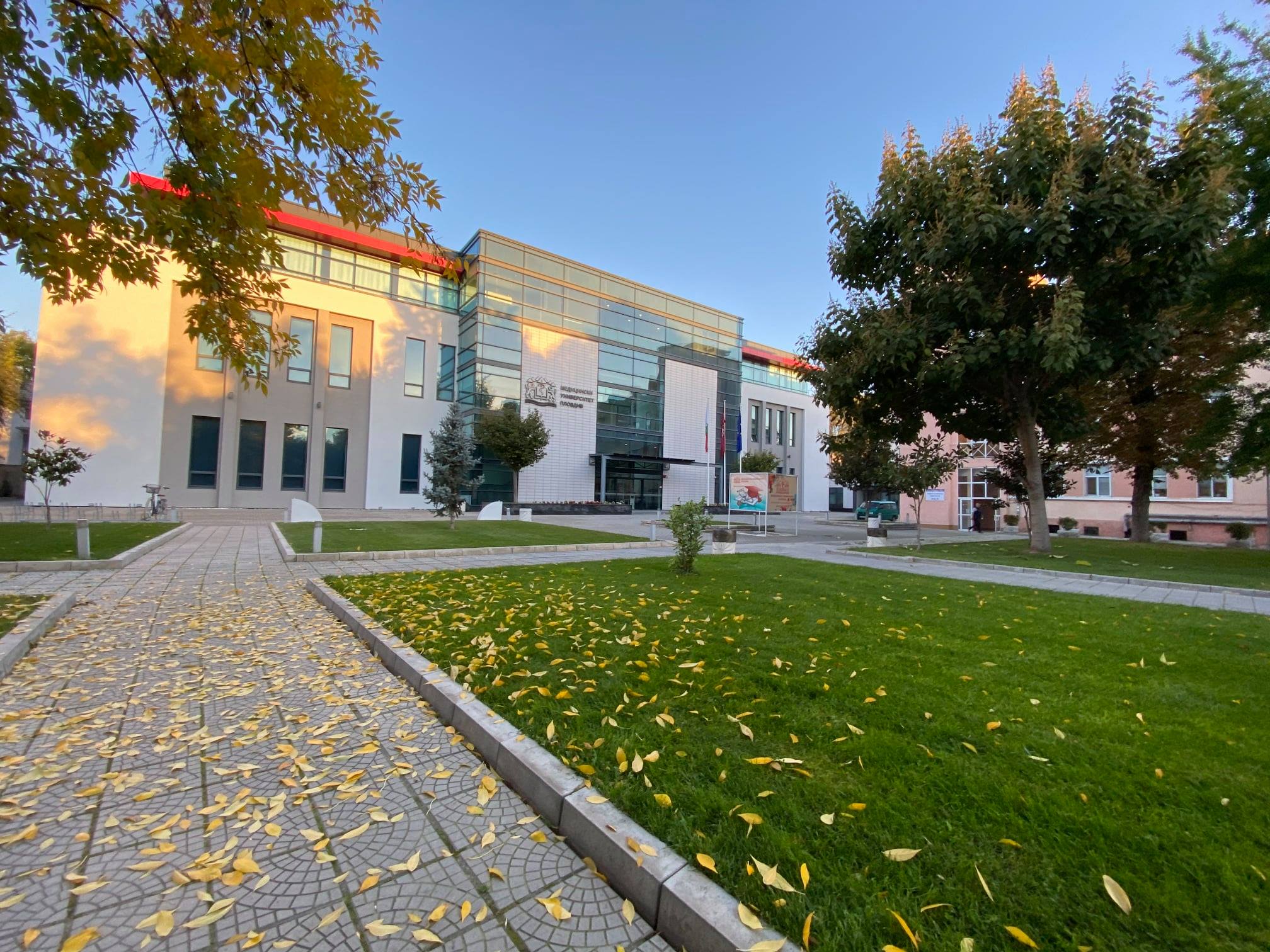
Plovdiv's Medical University opened in 1945, with schools of medicine, dentistry and pharmacy open to both local and international students. The local library offers more than 170,000 books in English, and any degrees obtained there (either MD or one of the many specialities offered) will be recognised internationally.
Quick Facts
Location
Bulgaria
Courses
Nursing
Tuition
Graduate Entry
No
Entrance Exam
No
Living Costs
Tuition Fees In Bulgaria
Average cost per year per course in Bulgaria
~
NURSING
Universities Offering Nursing in English in Bulgaria
These are the top nursing schools in Bulgaria for international students:
Location: Plovdiv, Bulgaria Courses in English:Nursing, Medicine, Dentistry, Pharmacy Nursing tuition fees: per year Entrance exam: No
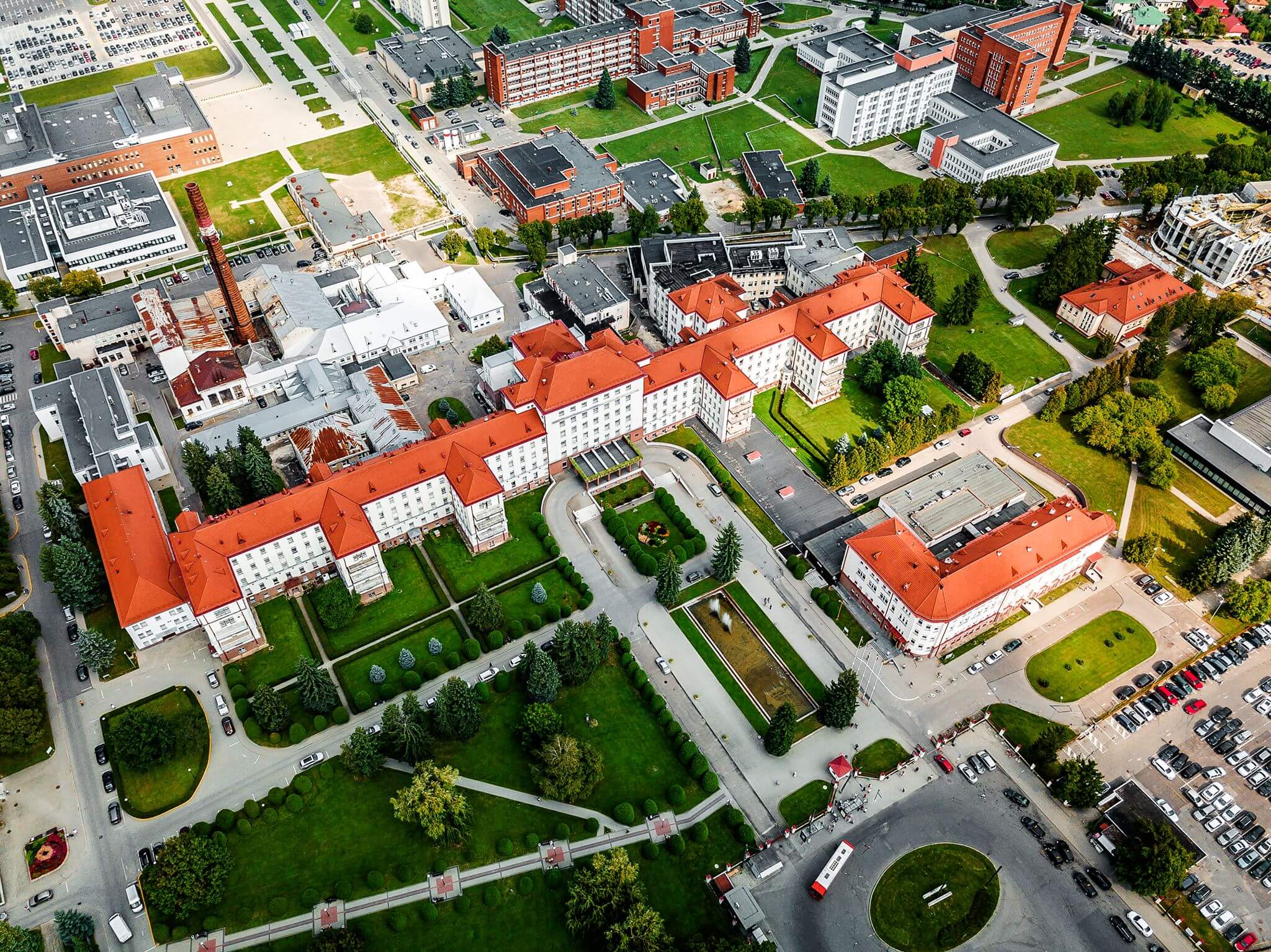
Plovdiv Medical University is 1 of Bulgaria's most respected medical and healthcare universities. It was established in 1945 and is currently training over 3,800 exceptional professionals per year.
The 4-year BSc in Nursing and Patient Care is delivered by the Faculty of Public Health and is taught entirely in English. The programme runs across 6 semesters covering preclinical and clinical sciences, followed by 9 months of pre-graduate clinical clerkship. The university operates its own 2,000-bed teaching hospital where students work with real patients as part of their training.
There is no entrance exam for the nursing programme at the Medical University of Plovdiv. Admission is based on your high school grades in Biology, Chemistry, and English, making it 1 of the more accessible nursing courses in Bulgaria in English.
After their state graduation exams, graduates receive an internationally recognised Bachelor's Degree in Nursing. After this, graduates can either start their professional nursing careers or enrol in MU Plovdiv’s direct pathway to a Master's Degree in Nursing for advanced clinical specialisations, healthcare management roles, and academic careers.
What Are the Entry Requirements to Study Nursing in Bulgaria in English?
The nursing in Bulgaria requirements are:
A completed high school diploma (secondary school certificate)
Strong grades in Biology, Chemistry, and English
Academic transcripts and supporting documents that are translated, notarised and legalised.
Is It Hard to Get Into Nursing in Bulgaria?
Nursing schools in Bulgaria do not require taking an entrance exam, instead you need good grades and submit a strong application.
However, the application itself has many administrative and legal steps, including document translation, notarisation, and legalisation, that are easy to get wrong. That’s why we at Medlink Students have a dedicated admissions team in Bulgaria that can handle all of this on your behalf.
If you want to check your eligibility to apply for nursing courses in Bulgaria, we offer free consultations with our academic advisors. Sign up here and choose a timeslot that fits your schedule..
How Much Does It Cost to Study Nursing in Bulgaria?
To study nursing in Bulgaria, the fees for international students are per year.
Living costs in Bulgaria are also very affordable. As a student here, you can expect to spend between €700 and €900 per month, which covers rent, utilities, food, transport, and day-to-day leisure.
Rent
Utilities
Transport
Food
Leisure
~/Mo
~
~
~/Mo
~
Why Study Nursing in Bulgaria in English?
Studying nursing in Bulgaria in 2026 is a strong choice for many reasons:
No entrance exam
Nursing is taught 100% in English
Affordable tuition fees and living costs
Real hospital training with a clinical clerkship in a 2,000-bed university hospital
An EU-recognised degree that is automatically accepted across all EU member states under community law
Bulgaria is an EU and Schengen member
Direct pathway to a Master's Degree in Nursing for those who want to specialise further
Can I Work in the UK After Studying Nursing in Bulgaria?
Yes, graduates of Bulgarian nursing programmes can apply to register with the UK's Nursing and Midwifery Council (NMC). Here are the steps:
Apply to the NMC for an assessment of your qualification
Demonstrate English language proficiency
Complete the NMC Test of Competence (ToC)
Register as a Registered Nurse (RN) with the NMC
Our advisors can help you understand your post-graduation options and plan your career pathway from the moment you start your application. Book a free consultation and we will help you start your nursing education with a clear plan in mind.
What's It Like Studying Nursing in Bulgaria as an International Student?
Bulgaria has a way of winning people over quickly, especially in Plovdiv.
The city is ancient in the truest sense. Experts consider Plovdiv 1 of the top 5 oldest continuously inhabited settlements on Earth, older than both Rome and Athens. Walking through the Old Town means walking past a working 2,000-year-old Roman amphitheatre that still hosts international concerts, a Roman forum, and an ancient stadium, all of which are part of a modern European city.
Student life here is active and affordable. Plovdiv is the 2nd largest city in Bulgaria and has around 20,000 students living in it. Both the day and the nightlife are very lively with plenty of cafes, bars, galleries, and restaurants.
Bulgaria is a safe and easy country to live in as a foreign student. Plovdiv especially is a very safe city with low crime stats. The international student community in Bulgaria and in Plovdiv are large and well established. The university also runs an International Welcome Centre specifically to help overseas students with their first few months in the country.
The cost of daily life is a genuine advantage. Eating out in Plovdiv, taking public transport, and just enjoying life here costs a fraction of what you'd spend in a Western European city.
Secure Your Spot to Study Nursing in Bulgaria in English
For international students looking at options for nursing in English, Bulgaria should definitely be a top choice.
Here, the entry requirements are straightforward and accessible, the curriculum is comprehensive with strong clinical training, and the degrees are internationally recognised and accepted automatically throughout the EU.
Fill out our quick enquiry form to book a free consultation with our team. We'll confirm your eligibility, explain the full application process, and support you from your first enquiry through to graduation and beyond.
How long does the nursing degree take in Bulgaria?
The BSc in Nursing degrees in Bulgaria take 4 years.
Can I study nursing in Bulgaria in English?
Yes, the nursing programme at Plovdiv Medical University is taught entirely in English.
Is there an entrance exam for nursing in Bulgaria?
No, admission is based on your grades in Biology, Chemistry, and English from your high school diploma.
Will my Bulgarian nursing degree be recognised in the UK?
Yes. Graduates can apply to register with the UK's Nursing and Midwifery Council (NMC) through the standard overseas route.
How much does it cost to study nursing in Bulgaria?
Tuition fees and living costs in Bulgaria are among the lowest in the EU. Tuition costs per year and living costs are between and per month.
What documents do I need to apply to study nursing in Bulgaria?
You will need a high school diploma with strong grades in Biology, Chemistry, and English, along with certified and translated academic transcripts and any additional documentation required by the university. Our team handles the full application process on your behalf.
Can I work part-time while studying nursing in Bulgaria?
International students in Bulgaria are permitted to work part-time.
Is there a Master's degree available after completing nursing in Bulgaria?
Yes, graduates of the BSc in Nursing at Plovdiv Medical University can progress to a Master's Degree in Nursing with pathways into advanced clinical roles, healthcare management, and academic careers.
When does the academic year start?
Nursing Courses in Bulgaria begin on 1st October.
Can I Study in Bulgaria Without IELTS?
For most applicants, a formal IELTS score is not required to study nursing in Bulgaria. If English was the language of instruction at your school, or you can demonstrate a strong English grade on your high school diploma, this is typically accepted as sufficient proof of language proficiency.
Struggling to get accepted into medical university? As doctors, we help you secure entry into top recognised overseas universities where you can study in English. We provide full support, from application to graduation, ensuring you're well-prepared to return home and work successfully as a doctor.