ENQUIRE NOW


Enquire
Enquire now and get a FREE assessment of your documents and available options

Choose
We find you the perfect medical school to suit your needs & guarantee your entry

Support
On-ground support with help from medical students and doctors on campus

Practice
Our doctors will help you register in the UK or EU countries upon graduation


Nursing programmes in Europe last 3-4 years and give students the skills, knowledge and experience required to meet global professional standards. The curriculum includes core theoretical modules with practical clinical placements in hospitals and clinics to ensure graduates are ready for successful careers worldwide.
For international students, studying BSc nursing in Europe in English means that you won’t need to speak the local language to pursue a degree, all while having the chance to learn in a multicultural environment alongside peers from all over the world. This international exposure will not only strengthen your communication skills but will also help develop cultural competence, an increasingly valuable asset in today’s global healthcare sector.
European nursing degrees are internationally recognised, which allows graduates to pursue licensing across the world, regardless of whether you aim to work within the European Union, return to your home country, or find opportunities abroad.
Important: If you’re unsure where to start, Medlink Students offers free consultations to guide you through the entire process, from choosing the right university to submitting your application and securing your place.
The entry requirements to study nursing in Europe in English depend on the university, but generally, students need:
Some nursing schools may require taking an entrance exam, as well as providing documents like a health certificate, academic transcripts and an eligibility certificate to confirm that your secondary education allows you to apply to a university.
For some universities, UK students looking to study nursing in Europe in English need to have 3 A-levels in science-related subjects.
Getting into a nursing programme in English in Europe is moderately competitive, but more accessible than in the UK, thanks to having a wider range of universities and available places.
Some countries, like Italy, require entrance exams and rank applicants based on academic performance, which makes admission more competitive. Other destinations, like Poland, have simpler and more flexible entry requirements, where you just need to have a high school diploma and English language proficiency.
Nursing programmes taught in English tend to be more competitive, as places are limited, but if you meet the entry criteria and submit a strong application, your chances of acceptance are generally good.
If you want to check if you meet the eligibility criteria for nursing in English, Medlink Students offers free consultations with our team of academic advisors.
Sign up and schedule your appointment here to learn how we can help you secure your spot at 1 of Europe’s top nursing schools.
Tuition fees in Europe for nursing cost between and per year, depending on the university.
Living expenses depend on the country you’re planning to study in, but you can expect to spend between and per month on rent, utilities, transport, food, and leisure activities.

The top European universities with nursing in English for international students include:
Location: Pecs, Hungary
Tuition fees:
Entrance exam: No
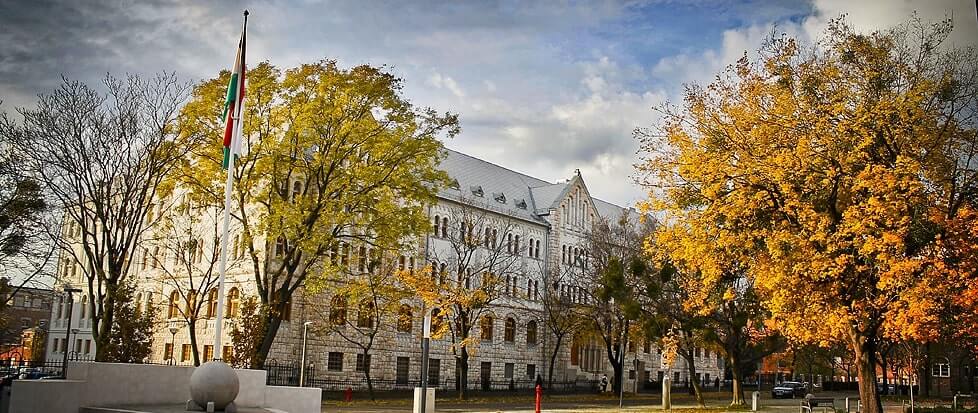
The University of Pecs is 1 of Hungary's oldest and most prestigious universities, with a Faculty of Health Sciences that has been a trusted destination for international students from across the world.
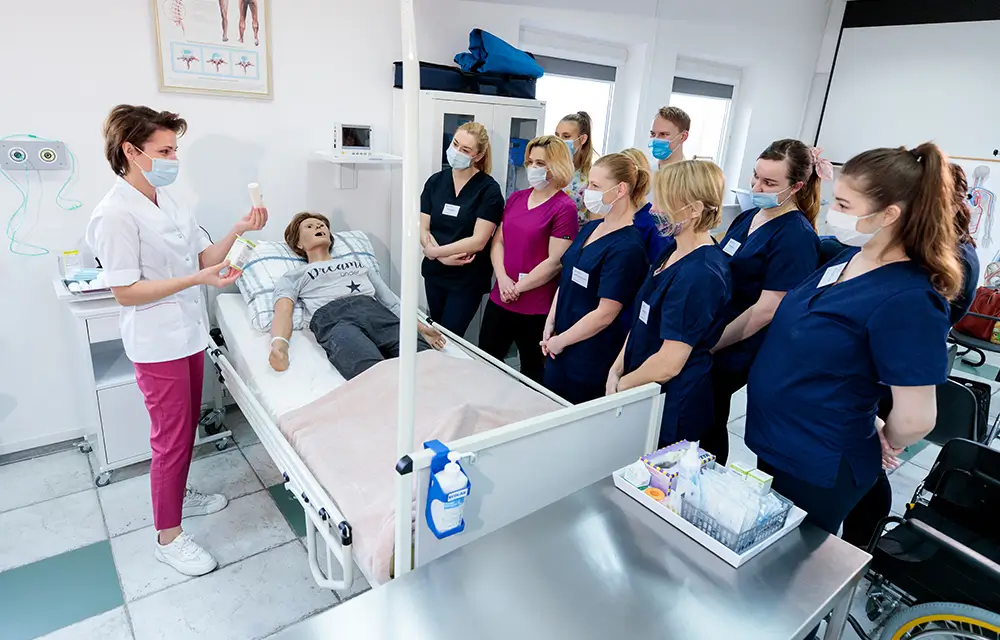
The 4-year BSc in Nursing and Patient Care is taught entirely in English and is designed to train graduates for full career readiness across all levels of health and social care, including prevention, treatment, rehabilitation, and more. The curriculum covers a comprehensive range of subjects and extensive hands-on practical training using lifelike simulation instruments.
For students interested in specialising, the programme has a direct pathway into a 1.5-year Nursing Master's degree, allowing students to specialise as an Advanced Practice Registered Nurse in intensive care, emergency care, primary care, or gerontological care.
2. Andrzej Frycz Modrzewski Krakow University (AFMKU)
Location: Krakow, Poland
Tuition fees: for EU students and selected countries, Non-EU
Entrance exam: No
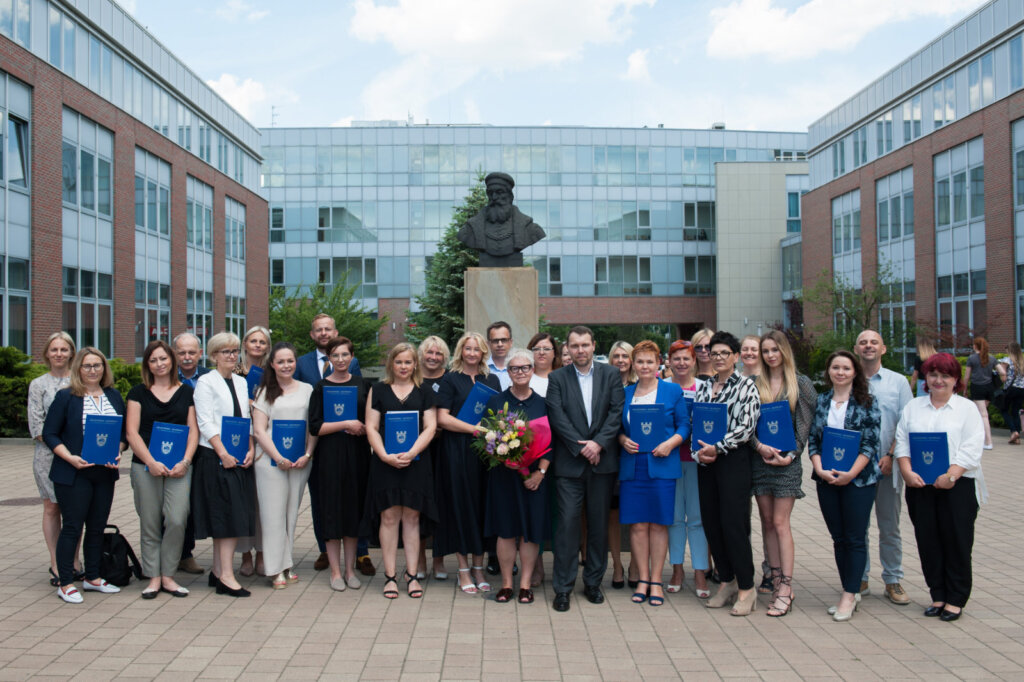
Andrzej Frycz Modrzewski Krakow University is a well-established private university in Krakow, 1 of the safest and most affordable student cities in Europe. The 3-year BSc in Nursing in English is structured to progressively build clinical skills across all 3 years by covering everything from anatomy and pharmacology through to surgical nursing, geriatrics, psychiatry, neurology, and emergency medicine by graduation. The degree concludes with an OSCE (Objective Structured Clinical Examination), the same internationally recognised practical assessment used in nursing programmes across the UK and Europe.
3. Saint Camillus International University of Health Sciences
Location: Rome, Italy
Tuition fees:
Entrance exam: Yes

Saint Camillus International University of Health and Medical Sciences (UniCamillus) is a new and modern medical school in Italy with campuses in Rome, Venice and Cefalu.
The 3-year BSc nursing programme in English is carried out at the Rome campus with strong support for international students, including guidance on accommodation, orientation, and integration into clinical placements. Clinical training is carried out in hospitals, clinics and a variety of healthcare establishments in Rome and the region.
Please note that practical training at UniCamillus is conducted in Italian.
4. The University of Information, Technology and Management (UITM)
Location: Rzeszow, Poland
Tuition fees:
Entrance exam: No
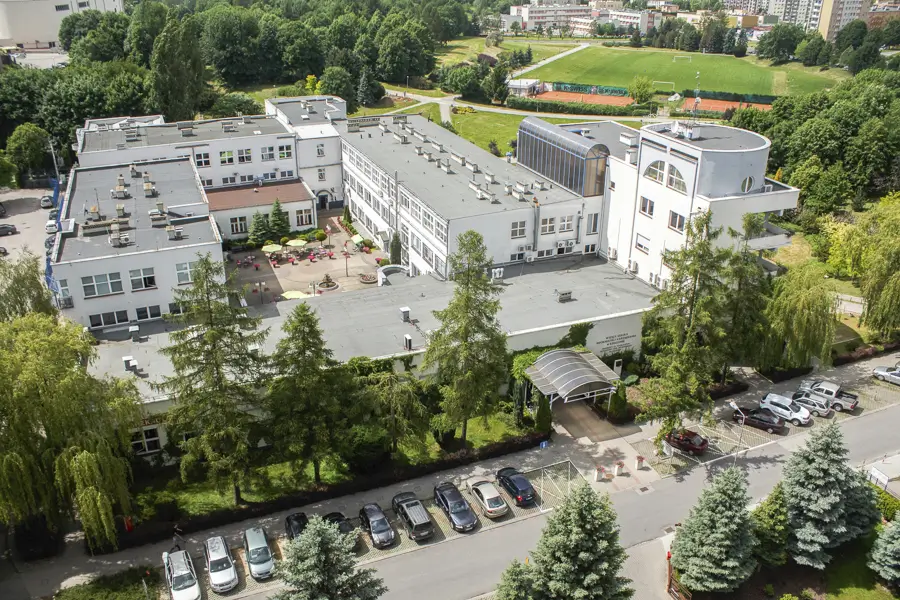
The University of Information, Technology and Management in Rzeszow (UITM) is a private university in Poland. It was founded in 1996 in Rzeszow, 1 of Europe’s most student-friendly cities with very low crime rates.
The 3-year nursing Bachelor’s degree in English here includes over 2,300 hours of practical training, 1,200 of which are professional clinical training in hospitals and clinics.
5. University of East Sarajevo Faculty of Medicine
Location: Foca, Bosnia & Herzegovina
Tuition fees:
Entrance exam: Yes
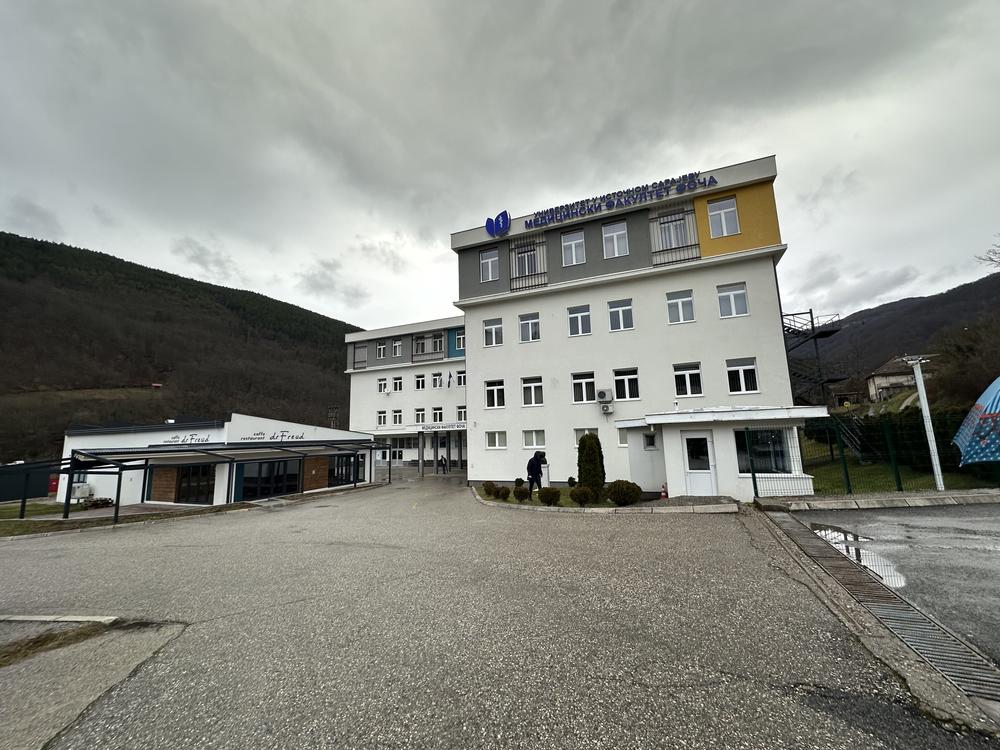
The University of East Sarajevo Faculty of Medicine has built a strong international reputation for its English-language programmes in medicine, dentistry & nursing.
The BSc Degree in nursing here is taught completely in English, lasts for 4-years and is worth a total of 240 ECTS credits. 1 of the university's strongest points is that students here get hands-on experience with patients from early on, thanks to the faculty's very own 500-bed teaching hospital - the University Hospital Foca.
All 5 universities meet & exceed EU standards for nursing education, ensuring that graduates earn degrees recognised across Europe and internationally.
Accredited European nursing degrees are recognised throughout Europe and in many countries across the world.
European nursing degrees are accredited by national authorities and are structured to comply with European higher-education standards. They also follow European professional and regulatory requirements for nursing practice by including extensive clinical training alongside theory.
Once you graduate, you will receive an internationally recognised degree that will let you work throughout the EU and in many countries worldwide. You only need to fulfil the local regulatory requirements to get your licensure. If your long-term goal changes, you can even use your qualification to study medicine after nursing via graduate entry.
EU nursing degrees are legally recognised across EU Member States with mutual recognition of nursing qualifications under Directive 2005/36/EC.
Yes, you can become a nurse in the UK after graduating from Europe. There is a structured process for obtaining professional nursing registration in the UK with the following steps:
Fast-track nursing programmes are condensed nursing degrees that typically take 2 years. These programmes are designed for applicants who already have a Bachelor’s degree in a healthcare or science-related field.
In Europe, the most common types of fast-track nursing are graduate entry nursing or a Master of Nursing degree. These programmes build on prior knowledge and focus on core theory and clinical skills in an intensive format, similar to graduate entry medicine and graduate entry dentistry.
Studying nursing in Europe in English is an exceptional choice, because:
Fill out our quick enquiry form to book a free consultation with our team to get personalised guidance on programmes, admissions, and application requirements for studying nursing in Europe in English. Our advisors can help you choose the right university and course, explain the application process, and support you every step of the way, all the way through graduation and beyond.
Studying nursing in Italy is both a prestigious and exciting destination for international students.
The best medical school in Italy for nursing is the Saint Camillus International University of Health Sciences (UniCamillus) in Rome, which offers a 3-year English language BSc nursing degree that is accredited and internationally recognised. Tuition fees are just per year.
Medlink Students works directly with UniCamillus to maximise your chances of getting accepted, while providing on-ground support to help you settle in your new life in Rome. Book a free consultation with our academic advisors to check if you meet the entry requirements.
Studying nursing in Poland is 1 of the most accessible nursing places in Europe for international students. Here, there are no entrance exams, flexible entry requirements, and very affordable tuition fees between and per year.
The top destinations for nursing in Poland are the University of Information Technology and Management (UITM) in Rzeszow and Andrzej Frycz Modrzewski University in Krakow which offer accredited and internationally recognised 3-year BSc nursing degrees in English.
The best part is that Medlink Students work directly with both of these universities to help international students secure their place and settle into Poland with our on-ground support team. Sign up for a free consultation to check if you qualify to study here.
Studying Nursing in Hungary is a well-rounded destination for international students that is both affordable and prestigious.
The top university in Hungary for nursing in English is the University of Pecs, which is 1 of the oldest universities and most respected universities in the world. It offers a 4-year BSc in Nursing and Patient Care that is accredited, internationally recognised and the degree is automatically accepted across all EU countries.
Medlink Students works directly with the University of Pecs and we can not only significantly increase your chances of getting accepted, but we also have an on-ground support team that can help you get used to life in Hungary. Book a free consultation with our academic advisors to check if you meet the entry requirements.
Studying Nursing in Bulgaria in English is suitable for students who want to earn an EU-recognised nursing degree without having to sit an entrance exam.
The top destination here is Plovdiv Medical University, which offers a 4-year BSc in Nursing and Patient Care taught entirely in English for €4,500 per year. A standout feature here is that the university has its own 2,000-bed hospital, where students gain clinical experience with real patients from early on in their education.
We work directly with the Medical University of Plovdiv to not only maximise your chances of getting accepted, but also to provide on-ground support to make sure you settle in Bulgaria comfortably and stress-free. Book a free consultation with our academic advisors to check if you meet the entry requirements.
A standard Bachelor of Science in Nursing in Europe takes 3-4 years.
Yes, some universities accept alternative English certificates, or you can even be exempt if you’ve graduated from an English-speaking country.
Among the most affordable nursing schools in Europe with English programmes are Andrzej Frycz University costing just for EU students, the University of East Sarajevo costing per year, UniCamillus in Rome, Italy, which costs per year and UITM in Rzeszow, Poland, where tuition is annually.
Some nursing programmes are entirely in English, but some universities have clinical training that requires basic knowledge of the local language for patient interaction.
Degrees from accredited European universities that meet EU nursing education standards are recognised around the world.
In most European countries, international students are allowed to work part-time during term and full-time during breaks.
Typically, you just need a high school diploma and English language proficiency, but some universities also require taking an entrance exam.
Yes, after you’ve graduated from an EU nursing school, you will be able to work throughout the EU and in many countries globally after local licensure steps.
Most universities have 1 intake per year, typically in September or October.
To study nursing abroad, you need to find the right university, check the entry requirements, and prepare documents, including notarised and translated academic transcripts, proof of English proficiency, identification documents and more. The application process can also vary depending on the country and university, especially when it comes to entrance exams, deadlines, and required documents.


Receive exclusive medical school admission guides, tips from doctors, and university updates direct to your inbox.
You’re on the list!
Thanks for subscribing. Keep an eye on your inbox for our next update.