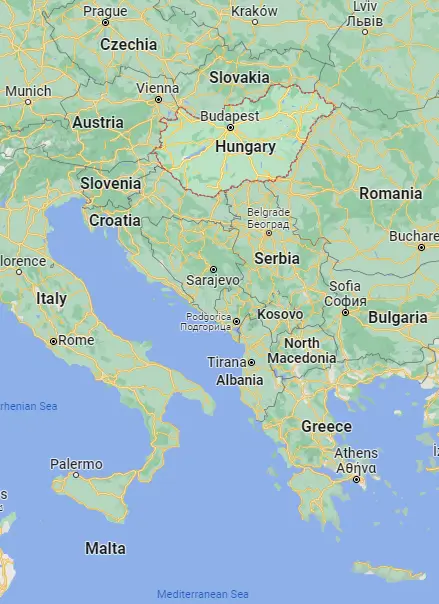
Hungary is well known for its modern healthcare education, which has made it 1 of Europe's most popular destinations for international students in 2026. Here you can get an internationally recognised 4-year BSc Degree in nursing, which is taught entirely in English, all while living in some of the most affordable student cities in the EU. Overall, studying nursing in Hungary in English is an exceptional option and can be the perfect destination for many students.
The nursing programmes in Hungary last 4 years and include in-depth theoretical study with extensive hands-on clinical training, preparing graduates to step confidently into professional nursing roles. Because the entire programme is taught in English, you don't need to speak Hungarian to earn your degree.
Hungarian nursing degrees are fully compliant with EU professional standards. Under EU community law, a BSc in Nursing from Hungary is automatically recognised across all EU countries, giving graduates remarkable flexibility when it comes to where they choose to work after graduation.
Why Study Nursing in Hungary in English
4-year nursing BSc in English
Comprehensive clinical training
Internationally recognised degree that is automatically accepted across the EU
Direct pathway to a 1.5-year Master's programme and APRN specialisation
Some of the most affordable student cities in Europe
Hungary is both an EU and a Schengen member state
Genuinely beautiful & enjoyable cities to live in
Full support from application to graduation with Medlink Students
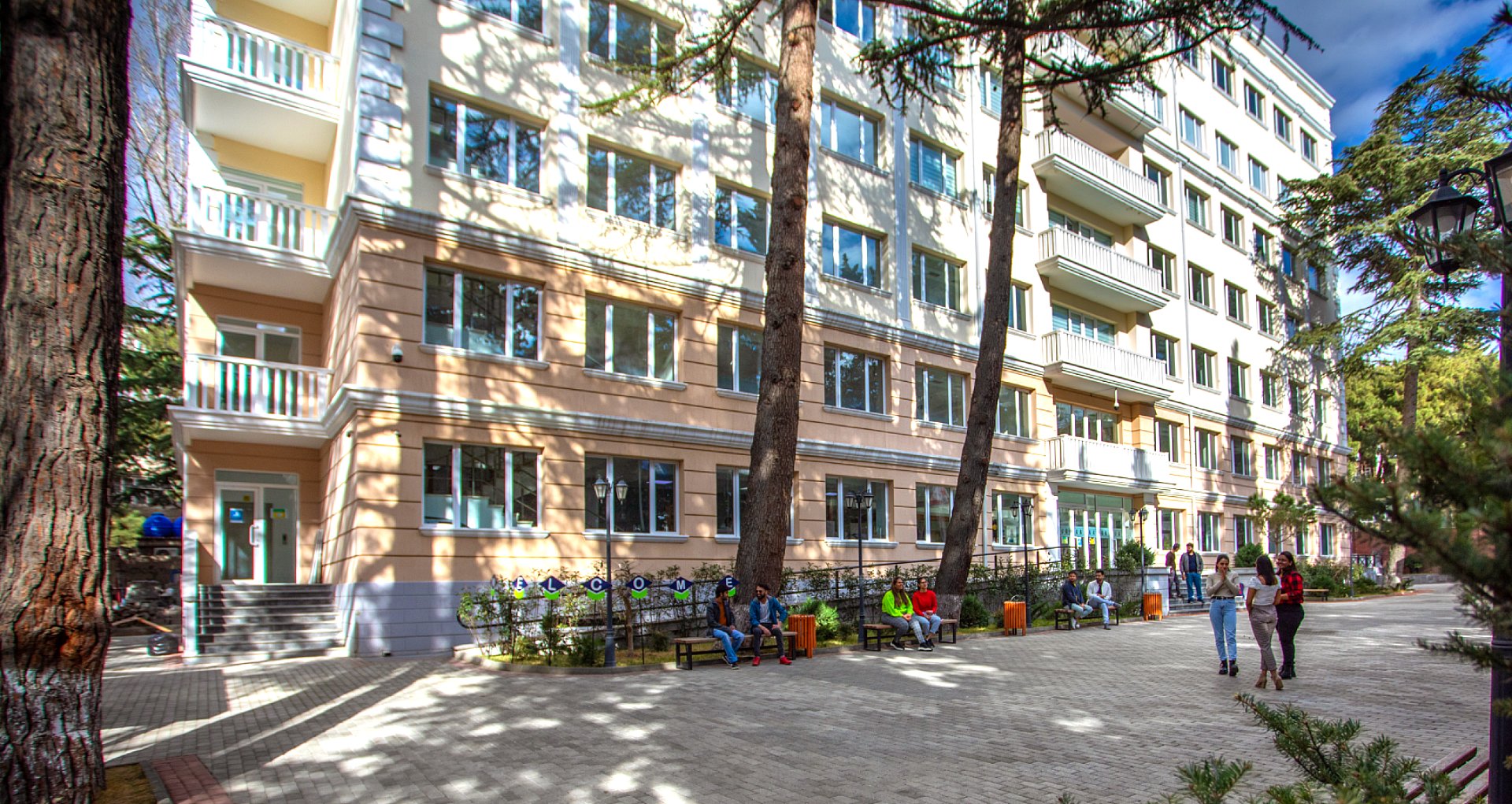
The European University is located in Tbilisi, Georgia, with its Faculty of Medicine teaching students of medicine and dentistry in English since 2014. The university also owns the Jo Ann Hospital, allowing its students (local and international) a chance to get real-world experience in a semi-controlled environment.
Petre Shotadze Tbilisi Medical Academy (TMA) has been successfully implementing the one-step educational program of Medicine since 2012, with English as the language of instruction. The 6-year degree programme enables students to attain education of international quality assurance standards while studying in Georgia.
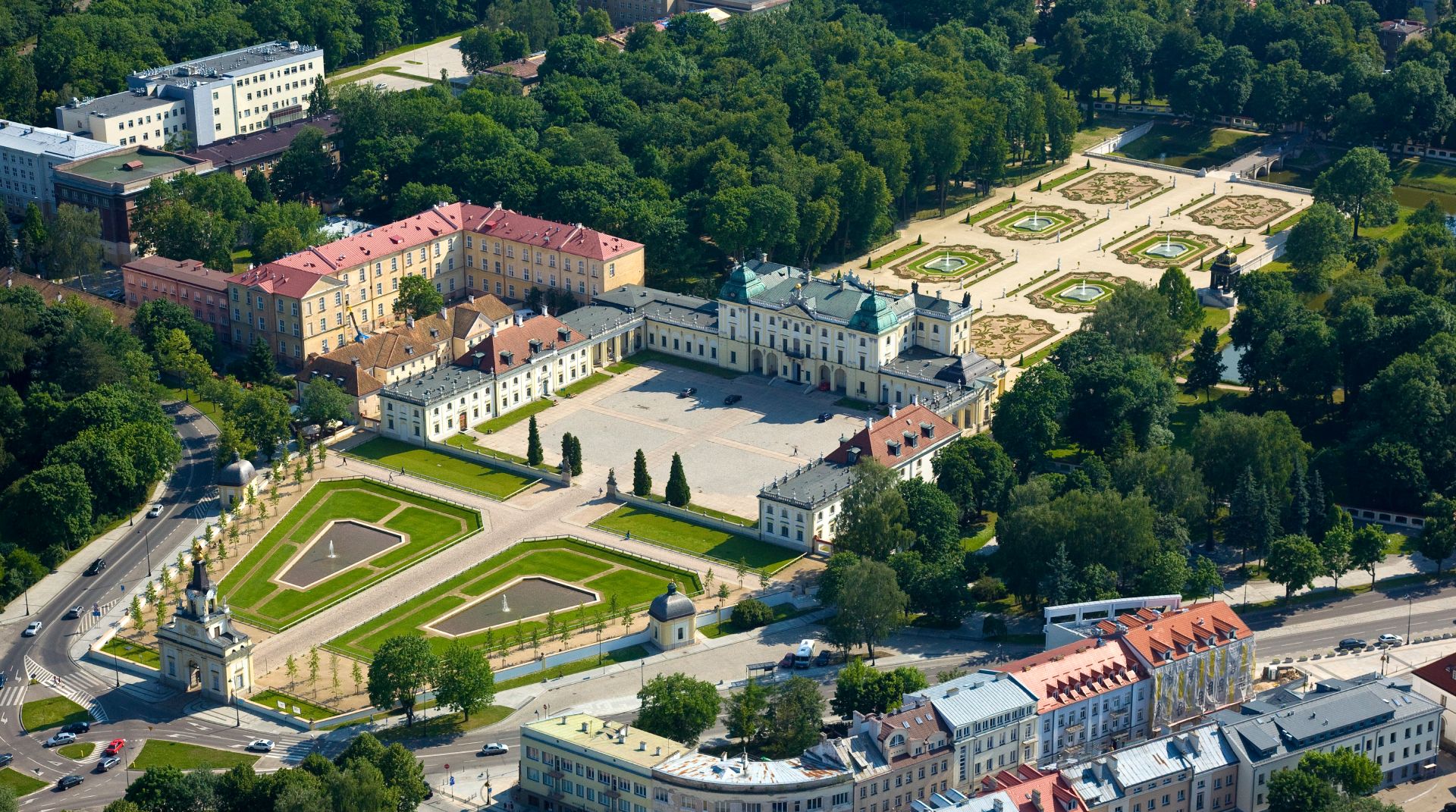
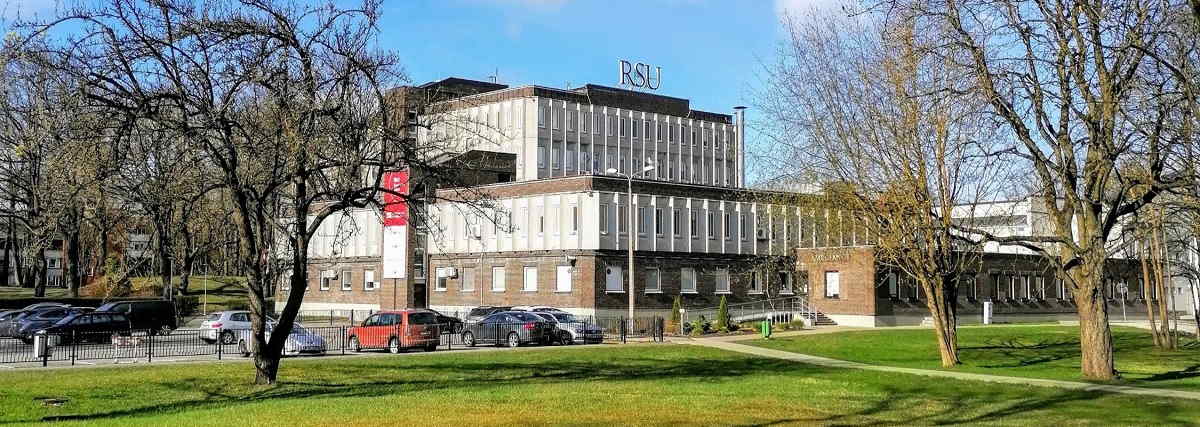
Bialystok University is one of the largest medical schools in Poland, with more than 13,000 graduates from its esteemed medical program alone. Those who wish to study medicine in Europe will find an impressive 26 departments, 40 clinics, 2 study centres, and 2 independent laboratories in the English division alone.
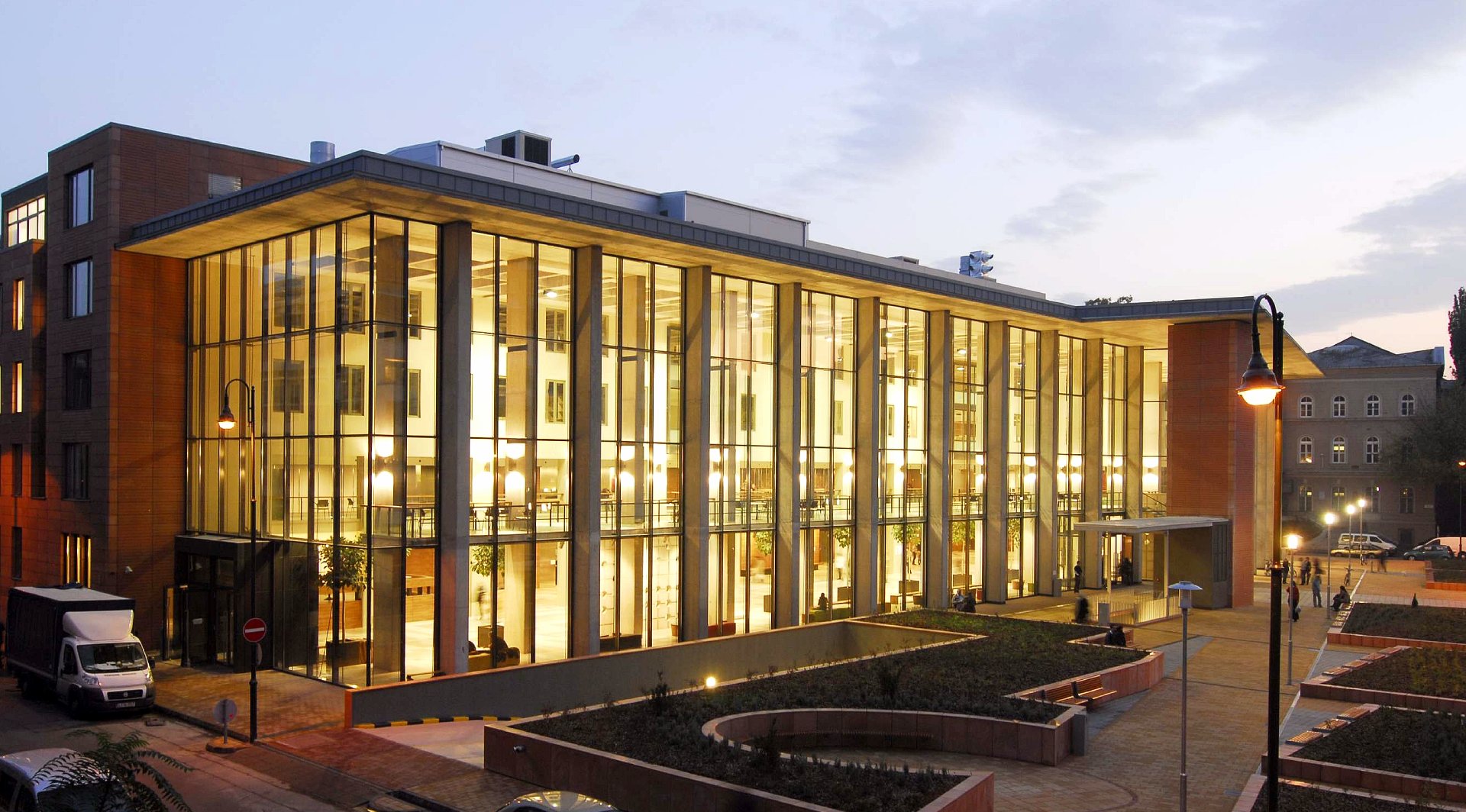
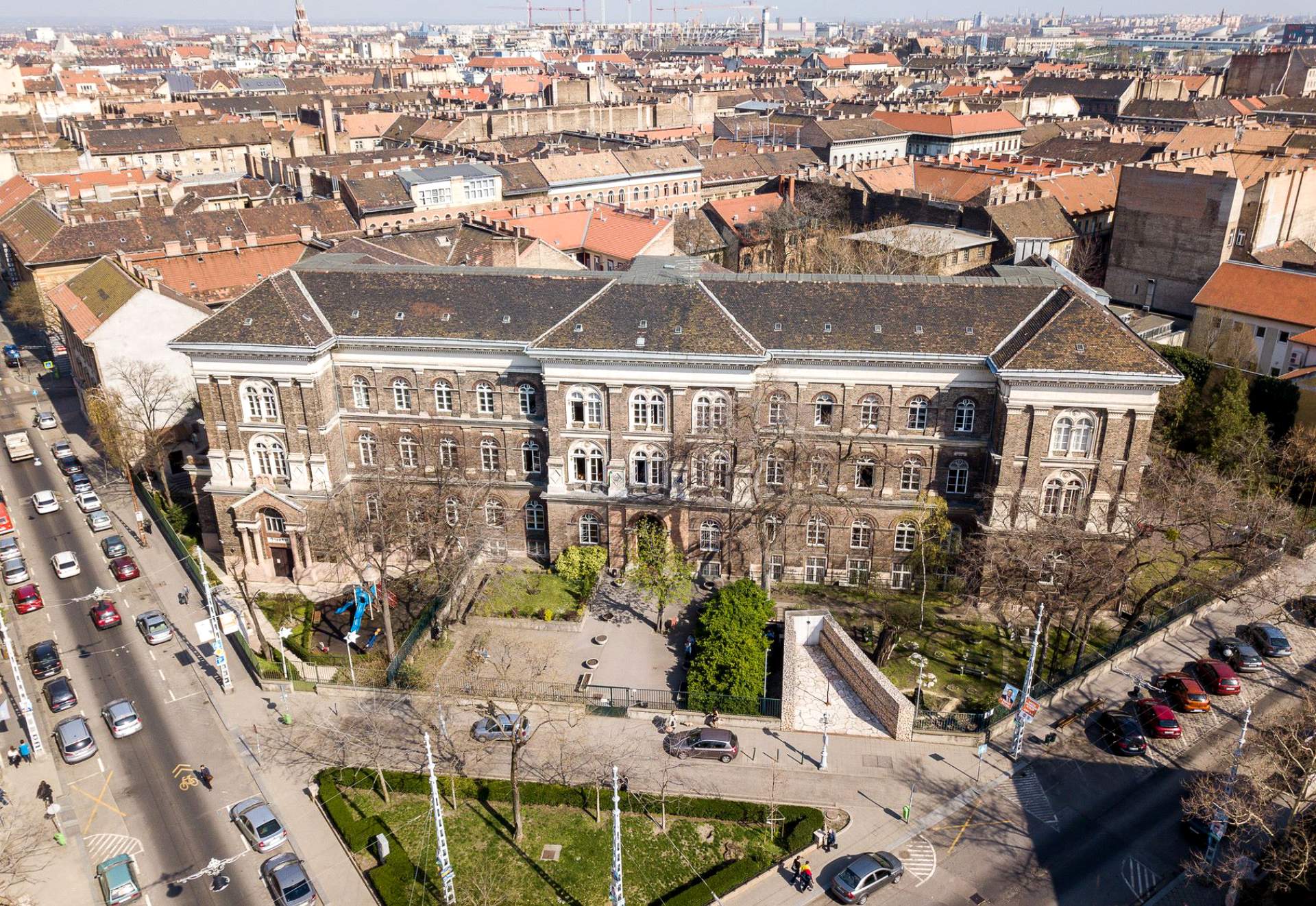
Semmelweis University was founded all the way back in 1769, making it the oldest medical school in Hungary. Throughout its history, it has educated some of the most influential minds in medicine, and continues to prepare students to the absolute highest standard of modern medicine. Today it hosts over 11,000 students, a third of which international.
McDaniel College Budapest is an American private college with a campus in Budapest. Since 1990 it has been preparing students determined to apply for a full-time medical course. During the preparatory course at McDaniel College, you will acquire knowledge in the basic science subjects necessary to apply for medical school. It prepares you for the entrance exams and grants you a competitive score.
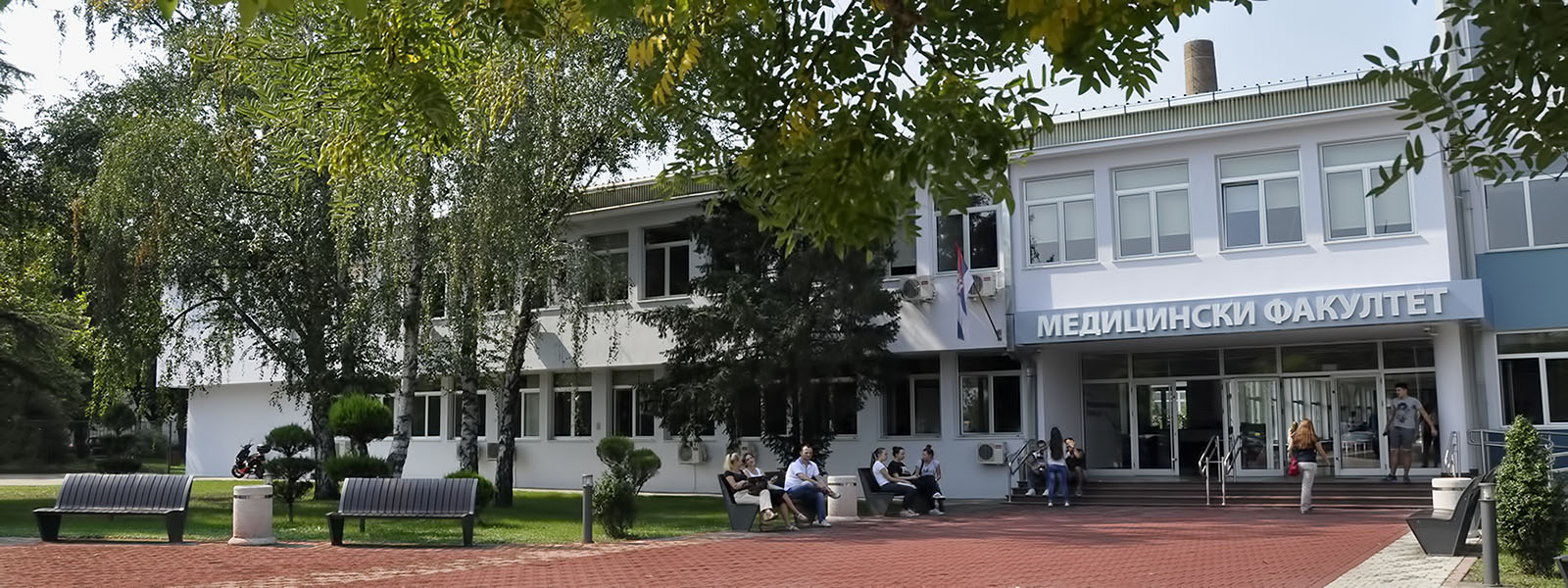
Founded in 1960, today the University of Novi Sad has grown to 14 faculties in 4 different cities, making it the second largest in Serbia. It hosts 40,000 students, many of which international, due to many of its programmes being available in English, such as medicine, pharmacy, and dentistry.
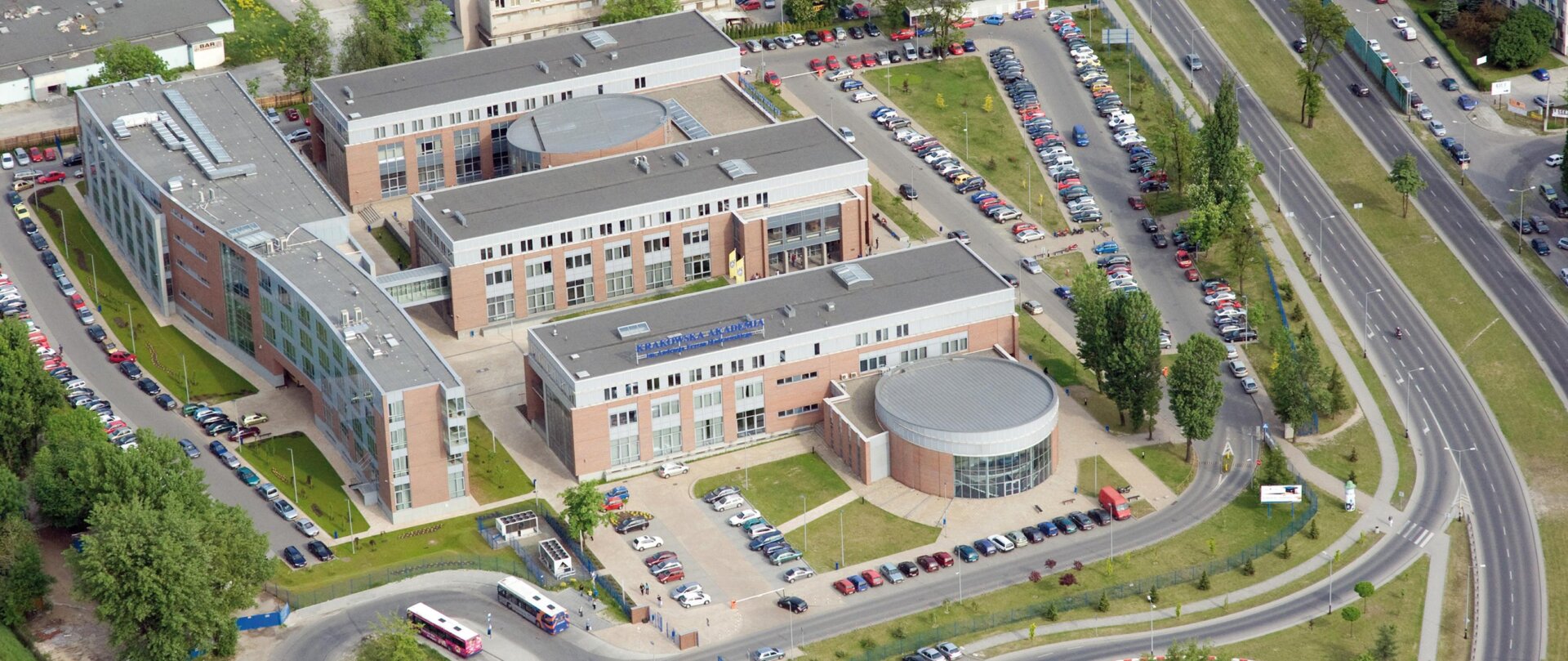
In 2000, Andrzej Frycz Modrzewski Krakow University opened with 7 faculties. The university's Medicine programme has 8000 students, many of which from outside Poland and enrolled in the school's English MD program. The practical training for international medical students includes over 1200 hours of bedside and lab work.
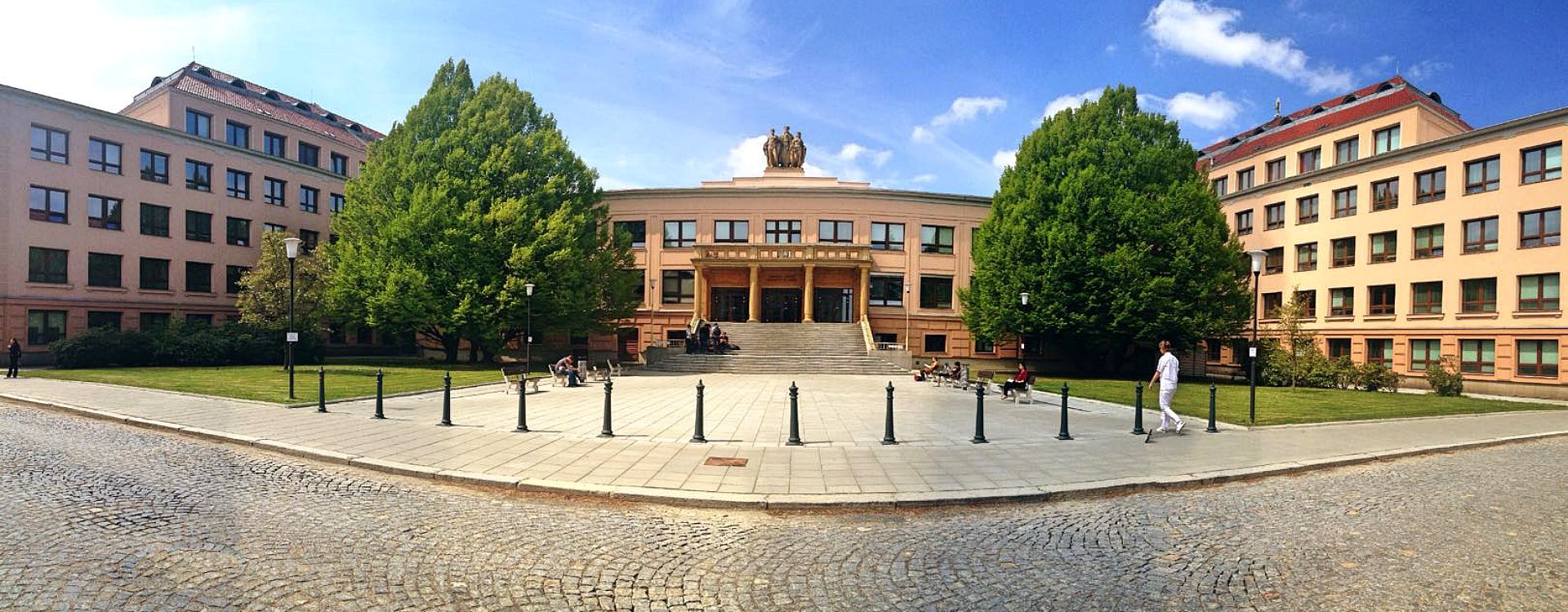
Palacky University was established all the way back in 1573, making it not only one of the oldest universities in the Czech Republic, but in all of Europe. It's located in the city of Olomouc, which currently has the highest density of students in Central Europe. The university's medicine and dentistry courses are offered entirely in English.
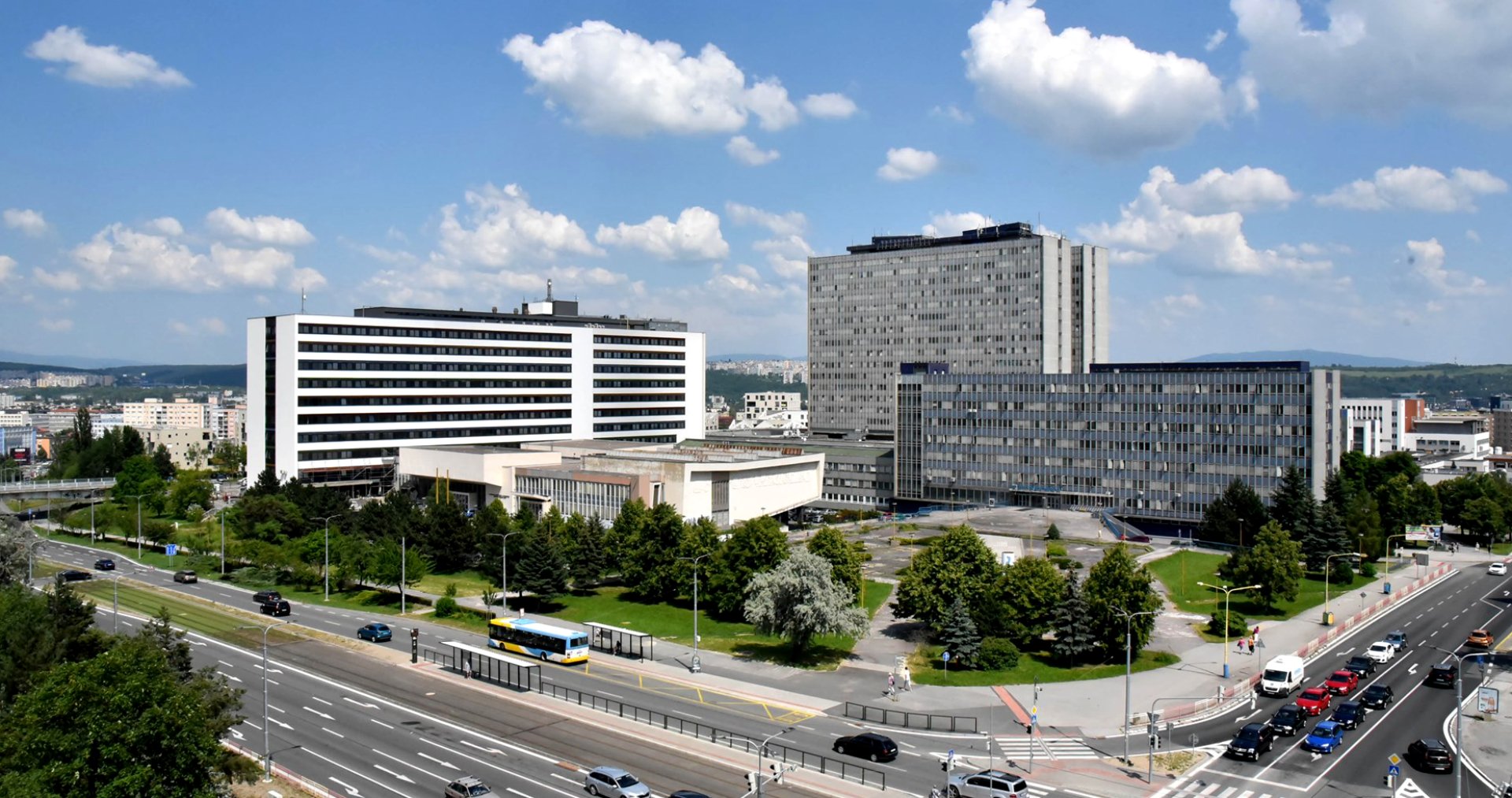
Pavol Jozef Safarik University is located in Kosice, the largest city in Eastern Slovakia. It consists of five faculties, with the Medical one (offering programmes in dentistry and medicine) taught in English and open to international students. Currently, over 7500 students have trusted the university with their future, a good number of which from abroad.
Università Cattolica del Sacro Cuore is the world's biggest Catholic university. Established in 1921, it has since grown to 4 different campuses, with the medical faculty located in Rome. Its medical program is one of the best, but also most competitive in Europe, with thousands of students competing for a mere 300 seats.
Quick Facts
Location
Hungary
Courses
Nursing
Tuition
Graduate Entry
No
Entrance Exam
No
Living Costs
Tuition Fees In Hungary
Average cost per year per course in Hungary
~
NURSING
Top Universities Offering Nursing in English in Hungary
These are the top universities for studying nursing in Hungary in English for international students:
Location: Pecs, Hungary Courses in English:Nursing, Medicine, Dentistry, Pharmacy Nursing tuition fees: per year Entrance exam: No
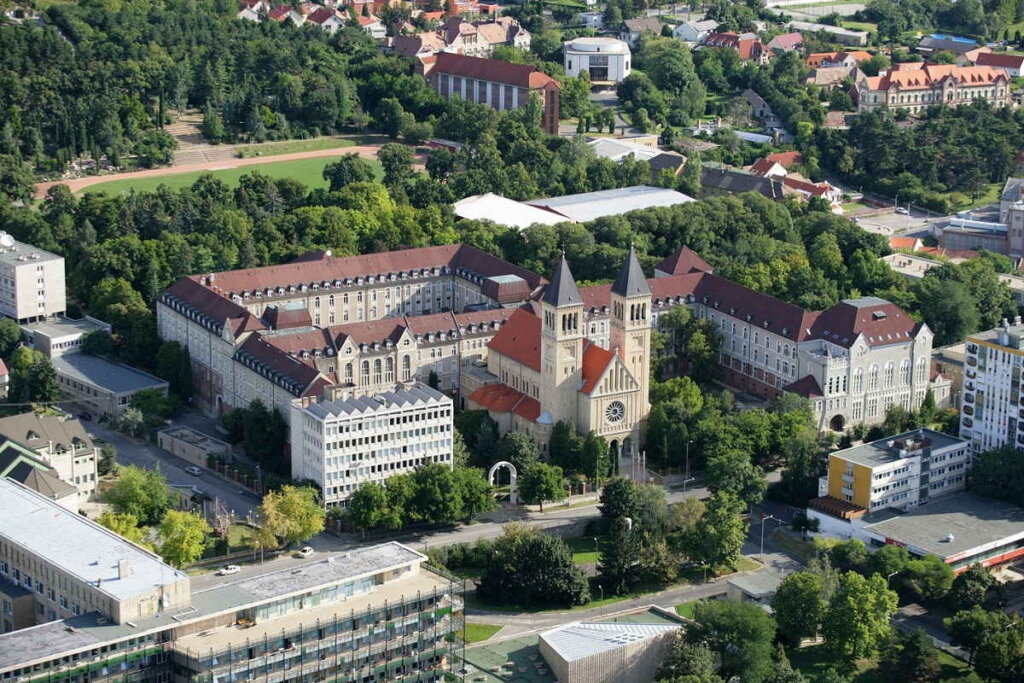
Founded in 1367, the University of Pecs is not only 1 of Hungary's most prestigious, but also 1 of the oldest universities in the entire world. Today, it has held up to its strong international reputation in health sciences and continues to have a large and diverse community of students from across the globe.
The 4-year BSc in Nursing and Patient Care here is taught entirely in English and is designed to train nursing professionals who are equipped to take full responsibility across all areas of prevention, treatment, and patient rehabilitation. The theoretical curriculum covers anatomical and physiological functions of the body, pathological processes, disease aetiology, clinical pharmacology, and evidence-based care approaches. Major clinical subjects include internal medicine, surgery, paediatrics, geriatrics, anaesthesiology, intensive therapy, neurology, psychiatry, and obstetrics and gynaecology, overall covering virtually every area of modern nursing practice.
For clinical skills, students train on modern simulation equipment covering essential nursing procedures, including blood sampling, infusion therapy, patient examination, and wound management, before moving on to working with real patients. In the final semester, students undergo 300 hours of professional practice to make sure they are completely career ready.
Upon completing the BSc, graduates receive an internationally recognised degree that is automatically accepted across all EU member states. The University of Pecs also offers a direct pathway to a 1.5-year Master's degree that qualifies graduates to specialise as an Advanced Practice Registered Nurse (APRN) in 1 of 4 areas: intensive care, emergency care, primary care, or gerontological care.
What Are the Entry Requirements to Study Nursing in Hungary in English?
To apply to study nursing in Hungary, you will need:
A completed high school diploma (secondary school certificate)
Proof of English language proficiency at B2-level
Translated, notarised and legalised documents
Taking an online interview to demonstrate English-speaking skills
Is It Hard to Get Into Nursing in Hungary?
The process is definitely more accessible and less stressful than many comparable programmes across Europe, since there is no entrance exam for nursing in Hungary. But that also means that there is a lot of competition
Admission is based on your grades, proper document submission, and a strong motivation letter, so it’s very important that you get each of these right.
Medlink Students can not only help you prepare for your interview, but we can also take care of the entirety of your application from start to finish and help you get settled in. We offer free consultations with our team of academic advisors, and you can book an appointment here to find out exactly what you need to apply.
How Much Does It Cost to Study Nursing in Hungary?
Hungary is an excellent value for international students, both in terms of the degree itself and day-to-day living.
The tuition fee for nursing at the University of Pecs is per year, and for living costs in 2026 you can expect to spend - per month, covering accommodation, utilities, transport, food, and day-to-day leisure.
Rent
Utilities
Transport
Food
Leisure
~/Mo
~/Mo
~/Mo
~/Mo
~/Mo
Why Study Nursing in Hungary in English?
Here’s what makes studying nursing in Hungary for international students an excellent choice in 2026
A 4-year BSc taught entirely in English
Internationally recognised degree that meets European professional and regulatory standards and is automatically accepted across the EU
Affordable tuition fees and living costs
Exceptional clinical training
A direct pathway to an APRN Master's in just 1.5 additional years
Hungary is part of the Schengen Area, making it easy to travel freely across Europe during your studies
Safe, affordable and enjoyable cities to live in
Get a free assessment to check if you meet the requirements to study nursing in Hungary.
Can I Work in the UK After Studying Nursing in Hungary?
Yes. Graduates of Hungarian nursing programmes can apply to work as nurses in the UK by going through the Nursing and Midwifery Council (NMC)'s standard international registration process:
Submit your degree for assessment by the NMC to verify that your qualification meets UK standards.
Provide evidence of English language proficiency through an approved test or recognised credentials.
Complete the NMC Test of Competence (ToC), which consists of a Computer-Based Test (CBT) for theoretical knowledge and an Objective Structured Clinical Examination (OSCE) for practical skills.
Register with the NMC as a Registered Nurse (RN) once your assessment is confirmed.
What's It Like Studying Nursing in Hungary as an International Student?
Hungary is a clean, modern, historically rich country that is genuinely welcoming to international students. Hungary is also a safe and welcoming country. The crime rate is low, public transport is reliable and cheap, and the student cities here have all the amenities of a modern European city.
Pecs in particular has a reputation for being 1 of the most student-friendly cities in Central Europe. It's a UNESCO World Heritage city with a beautifully preserved old town, Roman ruins, Ottoman-era architecture, and a lively cultural scene all in a compact, walkable city with low living costs. The international student community at the University of Pecs is large and diverse, which means settling into life here happens both quickly and naturally.
All things considered, Hungary and Pecs specifically are genuinely enjoyable places to spend 4 years building your nursing career.
Secure Your Spot to Study Nursing in Hungary in English
For students who want a strong and internationally respected nursing degree, then studying in Hungary should be 1 of your top choices in Europe in 2026.
Fill out our quick enquiry form to book a free consultation with our team, and our advisors will help you confirm your eligibility, walk you through the application process, and support you every step of the way, from applying to settling in to graduation and beyond.
A BSc in nursing in Hungary takes 4 years (8 semesters).
Can I study nursing in Hungary in English?
Yes, the nursing programmes in Hungary are taught entirely in English, so you do not need to speak Hungarian to complete your degree.
Is there an entrance exam for nursing in Hungary?
No, admission to Hungarian nursing programmes is based on your grades, proper document submission, the strength of your motivation letter and your performance in the English-language interview.
Will my Hungarian nursing degree be recognised in the UK?
Yes, graduates from Hungarian universities can apply to register with the UK's Nursing and Midwifery Council (NMC) by following the standard international assessment process after completing their degree.
How much does it cost to live in Hungary as an international nursing student?
Living in Hungary costs approximately - per month, covering accommodation, utilities, food, transport, and leisure. Pecs is 1 of the most affordable university cities in Hungary, so you can expect to spend a little less.
Can I work part-time while studying nursing in Hungary?
In Hungary, international students are permitted to work up to 24 hours per week during term time and full-time during academic breaks, though conditions may vary depending on your nationality and visa status.
What English level do I need to study nursing in Hungary?
You will usually need at least a B2-level English to study nursing in Hungary in English. You will also need to complete an online interview to demonstrate that you can communicate clearly in English before admission.
Can I stay in Hungary after graduating from nursing?
Yes, international graduates are able to stay in Hungary after graduation through the residence permit route for seeking a job or starting a business. You must apply before your student residence permit expires, and you will need to meet the official immigration requirements, including proof of funds, accommodation and health insurance.
Can I work in Europe after studying nursing in Hungary?
Yes, a nursing degree from Hungary will allow you to work in other European countries. Hungarian nursing degrees follow European professional education standards, which can make recognition much more straightforward across the EU.
However, you will still need to apply for registration with the nursing authority in the country where you want to work. Some countries also require local language proficiency, additional documents, proof of professional good standing, or adaptation steps before you can practise as a registered nurse.
Struggling to get accepted into medical university? As doctors, we help you secure entry into top recognised overseas universities where you can study in English. We provide full support, from application to graduation, ensuring you're well-prepared to return home and work successfully as a doctor.