

























Germany is known for its world-class medical education system that brings in students from all over the world. But 1 question keeps coming up again and again:
“Can I study medicine in Germany in English?”
It's a fair question. Many international students are eager to benefit from Germany's world-class medical system while avoiding the language barrier. However, before diving into the linguistic realities, if you are looking for specific entry options, deadlines, and a complete directory of available campuses, you should review our comprehensive guide to Study Medicine in Germany in English
The key takeaways of this blog are:
- Theren are only a few options, since most German medical schools teach in German, however, there are some exceptional universities with English-language programmes.
- While there are medicine programmes in English, learning German is beneficial for clinical placements and daily life.
- Tuition fees to are about €30,000 per year.
- Degrees from accredited medical schools in Germany are recognised across the EU, UK, and other countries.
- You can start studying medicine in Germany in English through the Student Success Programme by Medlink Students.
Are There English-Taught Medical Programmes in Germany?
Let’s get straight to the point, most medical universities in Germany teach entirely in German.
This is because German public universities are intended for students who have successfully finished the country's high school system (Abitur) and are fluent in the language. In fact, for most state-funded medical programmes, a minimum C1 level of German is required just to apply.
So where does that leave international students who want to study medicine in Germany in English?
The good news is: it is possible, but only at a handful of universities. These are usually private or international campuses, and they offer fully English-taught medical degrees designed specifically for foreign students.
However, it’s important to understand that these programmes are the exception, not the rule. If you're searching for “study medicine in Germany in English,” you won’t find many options, but you will find a few excellent ones.
Where Can You Study Medicine in Germany in English in 2026?
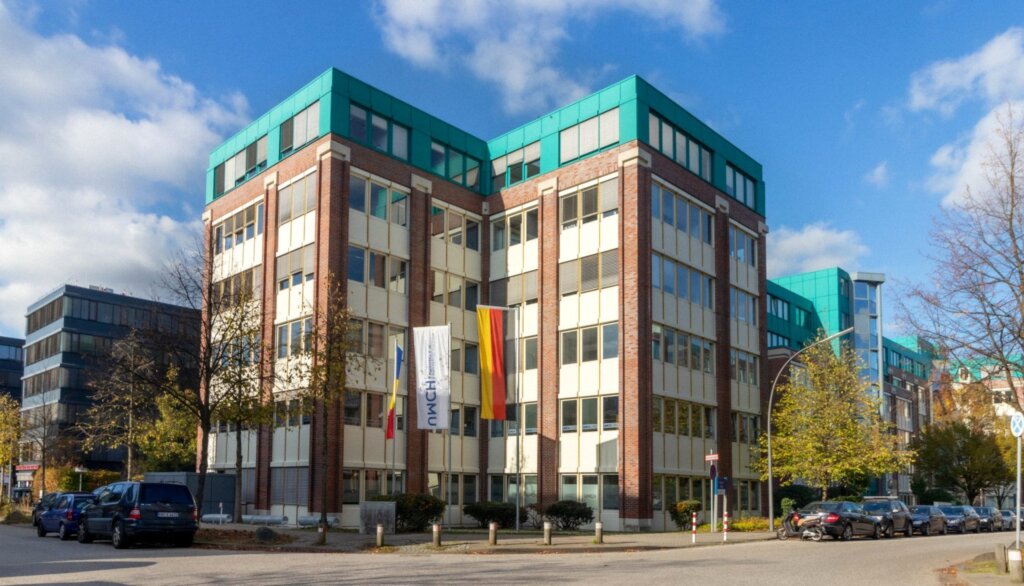
Unlike other European destinations, Germany’s public university system rarely offers undergraduate medicine completely in English. The few English-taught pathways that do exist are primarily offered through specialised private institutions or foreign university branches operating within Germany. For a fully updated, verified list of these specific medical campuses alongside their application windows, refer directly to our German University Directory
Students here gain access to practical training in renowned German hospitals, which provide early clinical exposure to 1 of Europe’s best healthcare systems. Another big plus is that you don’t need to speak German to apply. Many students begin the course without any German knowledge and gradually learn the language as they study, especially useful for day-to-day life and hospital placements later on.
Who Are These English Medical Programmes Suitable For?
These programmes are designed specifically for foreign students who wish to enrol in Germany's medical school and healthcare system without having to speak German fluently right away.
You're a great candidate for an English-taught programme in Germany if:
- You’ve completed your secondary education outside of Germany (such as A-levels or IB).
- You speak English fluently, but don’t have strong German skills yet.
- You’re looking for a globally recognised EU medical degree that keeps doors open for practising in countries like the UK, Ireland, or the US.
- You want clinical experience in Germany’s modern hospitals, working alongside experienced professionals.
💡 If you would like to learn more about the pathway for studying medicine in Germany, you can read our blog - MBBS in Germany: Your Complete Guide to Studying Medicine Abroad.
Common Misconceptions About Studying Medicine in Germany
When it comes to studying medicine in Germany in English, there’s no shortage of misleading information online. Let’s clear up some of the most common misconceptions that students frequently have:
"Medicine is taught in English at many German universities."
Unfortunately, this isn't true. German is the only language used for medical instruction in the vast majority of German public universities. There are very few options that are taught in English, and they are mostly found at private universities.
“I don’t need to learn any German at all.”
While you can start studying in English, some basic German will still be helpful, especially when you begin hospital placements or day-to-day life in Germany. Some universities even offer language support to help you pick it up as you go.
Feel free to read our blog Will I Need to Learn a New Language to Study Medicine Abroad?, to learn more on the topic.
“Public universities offer free medicine in English.”
The reality is that undergraduate medical education at Germany’s tuition-free public universities is strictly governed by federal law under the Approbationsordnung (the German Medical Licensure Act). By law, these programs must culminate in the Staatsexamen (State Examination), a highly standardised national licensing exam administered exclusively in the German language.
Because public universities are funded by German taxpayers to supply doctors for the domestic healthcare system, there is zero legal or structural provision for them to offer full undergraduate medical degrees in English. Therefore, any English-taught medical program you find in Germany will inevitably be offered via private universities or branches of accredited foreign institutions operating within German borders.
What to Consider Before Applying to Germany

While tuition at public German-taught universities is famously low, English-taught medical programs in Germany are private and carry standard international tuition fees. Academic entry pathways also require specific high school alignments in science subjects. Because these financial figures and grade prerequisites change per campus, we maintain an exact, up-to-date breakdown of academic criteria on our Germany Medical Requirements Hub
Entry Requirements to Study Medicine in Germany in English
One significant advantage is that you don’t need the German Abitur. A high school diploma and/or qualifications like A-levels, IB are accepted and more than enough. Typically you will need good grades in Biology, Chemistry, and sometimes Mathematics or Physics.
Additionally, you will need to take an entrance exam and/or interview and provide proof of English fluency (usually via certification from an exam like TOEFL or IELTS).
Degree Recognition
Make sure the university you choose is accredited and officially recognised within the EU. Degrees from medical schools like UMCH are valid across Europe, and students can also take licensing exams and apply for medical licensing abroad. This includes taking on the UKMLA and registering with the GMC in the UK, or taking the USMLE to become a doctor in the US.
The Clinical Language Split: English vs. German Timeline
Many students mistakenly assume that an 'English-taught' degree means they can completely bypass learning German. This is a critical error. While your university lectures, laboratory sessions, and academic exams during the pre-clinical years will be conducted 100% in English, medicine is a deeply human, public-facing profession.
Once you transition into hospital wards for your clinical rotations, your daily environment shifts entirely. You cannot take a patient’s medical history, communicate with nurses, or participate in hospital rounds without speaking German.
To help you visualize your academic journey, here is how the language requirements break down across a standard 6-year medical curriculum in Germany:
| Medical Phase and Academic Years | Language/Proficiency | Real-World Application |
| Pre-Clinical Phase (Years 1 – 2 / 3) | English - A1 / A2 (Beginner) | Lectures, anatomy labs, biochemistry seminars, and written university exams. |
| Clinical Phase (Years 3 – 5) | English & German - B2 (Upper-Intermediate) | Hospital bedside teaching, ward rounds, interacting with real German patients, and medical charting. |
| Practical Year (Praktisches Jahr) (Year 6) | German - C1 (Advanced / Professional) | Full-time clinical training in hospitals. Acting as a junior sub-intern under the supervision of attending German physicians. |
The Bottom Line: Is It Truly Possible to Study Medicine in Germany in English?
Of course it is.
While the majority of German medical schools still teach exclusively in German, there are a small number of legitimate, English-taught options designed specifically for international students. These don’t require German fluency and, best of all, they award internationally recognised degrees that are accepted across the EU and beyond.
If you’re serious about studying medicine in Germany in English, Medlink Students can help you find the right programme, prepare your application, and support you every step of the way. All you need to do to get started is sign up for a free consultation with one of our academic advisors.
Why This Matters to You
Every year, we hear from students who made 1 critical mistake. They believed misleading information online and wasted time, money, or even entire academic years chasing programmes that didn’t exist or weren’t recognised.
Some thought they could study medicine in English at a public university for free. Others enrolled in unaccredited universities, which left them with a degree that couldn’t be used back home. Some were promised “bilingual” programmes, only to find out too late that nearly everything was taught in German.
Don’t let this be your story.
Choosing the wrong university or programme can set your medical career back by years. But with the right guidance and accurate information, you can avoid all that and start studying medicine in Germany, in English, with complete confidence.
We can help with that.
The Student Success Programme, Your Quickest Route to Success
The Medlink Student Success Programme (SSP) is designed to give you everything you need to not only get into medical school but thrive there.
SSP is the best resource for aspiring physicians studying overseas, offering everything from 1-on-1 application assistance and interview preparation to premium study materials and continuous mentoring. With us, you can avoid costly mistakes by choosing the right university and being supported to succeed from day 1.
Learn more about how SSP can transform your journey.
FAQ
Is it possible for me to study medicine in Germany using only English?
Yes, but options are limited. Universities like UMCH in Hamburg offer fully English-taught medical programmes tailored for international students.
Are degrees from German programmes taught in English recognised abroad?
Yes, subject to local licensing requirements, degrees from recognised medical schools like UMCH are recognised throughout the EU as well as in nations like the UK and the USA.
Do I need to know German to study medicine in Germany?
While you can start your studies in English, learning German is advisable for clinical placements and daily interactions.
How can I ensure I'm choosing a legitimate programme?
Research only accredited universities, verify degree recognition, and consider consulting with organisations like Medlink Students for guidance.
What is the Student Success Programme (SSP)?
The SSP by Medlink Students offers comprehensive support, including application assistance, interview preparation, and academic resources to help students succeed in their medical studies abroad.
Can I transfer to an English-taught medical programme in Germany from another country?
Transfer policies vary by university. It's best to consult directly with the university or seek guidance from educational consultants like Medlink Students.


















I want to study medicine because I am so passionate about science and helping people