































What you've heard is true, Germany consistently attracts international medical students thanks to its very strong medical education system and internationally recognised degrees.
In this quick blog, we will go over what students are supposed to realistically budget for rent, health insurance, groceries, transport and the financial requirements tied to the German student visa process.
TL;DR
Studying medicine in English in Germany in 2026 will cost you between €25,000 and €29,800 in tuition and anywhere from €992 to €1,600 per month on living costs.
Key Takeaways in this blog include:
- English-Taught Medical Degrees Are Not Free
- International students can expect to spend between €992 and €1,600 per month on living expenses, depending on their city and lifestyle.
- Rent is the Largest Variable Expense. Cities like Munich and Hamburg are the most expensive, while Bonn and Stuttgart are on the lower end.
- Cooking at home is highly cost-effective, keeping the monthly grocery budget around €200–€300. Mandatory student health insurance costs €141 per month, and public transport costs €30–€60 per month
- To secure a German student visa, international students must deposit a minimum of €11,904 per year (€992/month) into a mandatory blocked account to prove financial self-sufficiency.
How much does medical school cost in Germany for international students?
Before we go any deeper than this, let's make it clear that Germany offering free medical degrees is a huge misconception. They do offer medical degrees for close to free, but they're all taught in German, not in English.
Because of that, anyone looking for an English-taught programme has to look at private universities or international branches, which means paying annual tuition, and currently, the University of Targu Mures Medical Campus Hamburg (UMCH) and the European University of Cyprus Frankfurt Campus (EUC) are the only medical schools in Germany for international students that offer a fully English-taught medicine programme.
Here is what you can expect to pay annually:
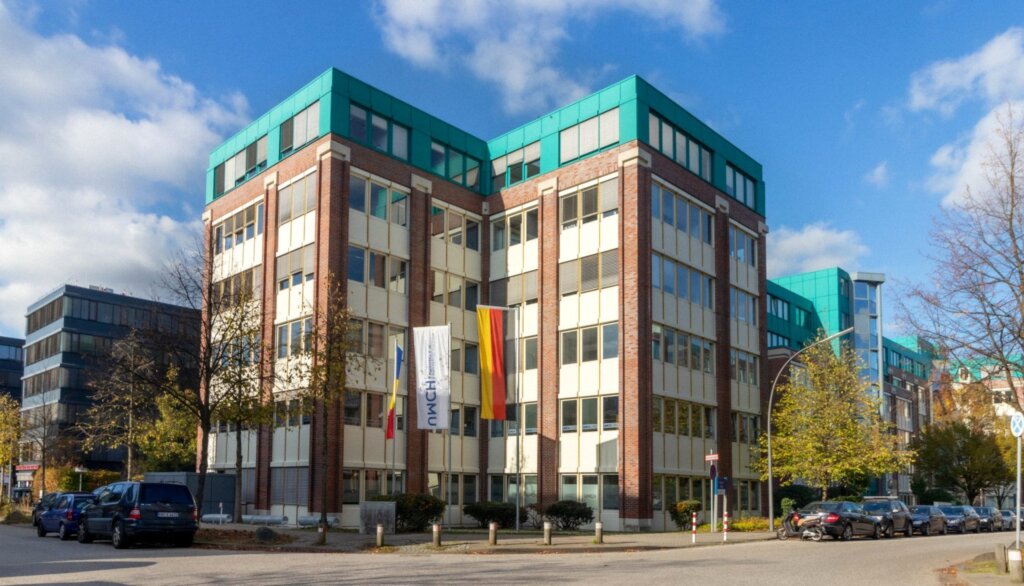
- European University Cyprus Frankfurt Campus: €25,000/year
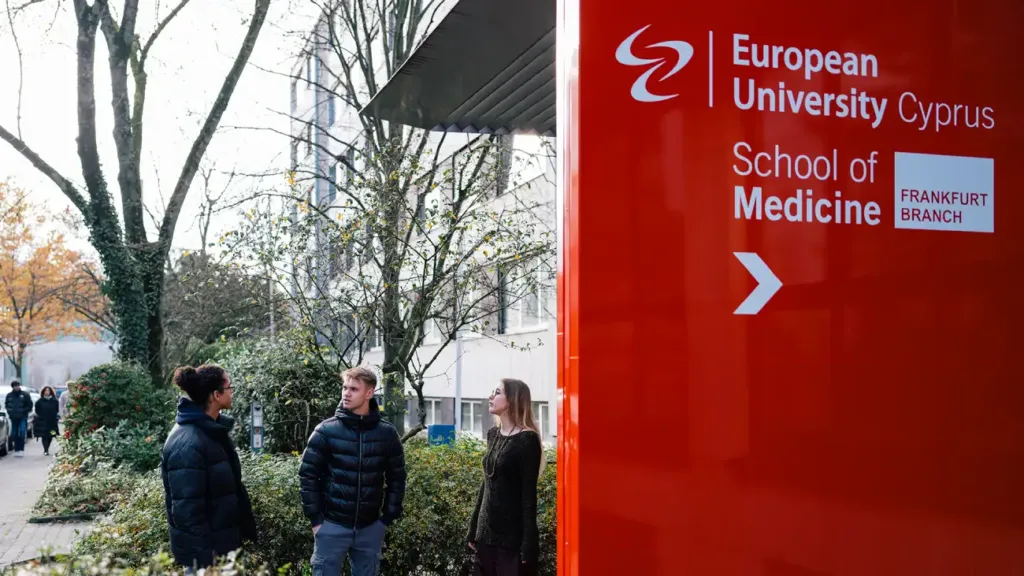
While these prices might give you a bit of sticker shock compared to Germany's public schools, it’s actually comparable to what international students pay for private medical schools in the UK or the US. Plus, EUC, for example, offers affordable student accommodation to help keep your living expenses down.
Want to learn more about your options to study medicine in Germany? Sign up for a free consultation with 1 of our medical advisors with the form below:
How expensive is rent in Germany for international students?
Housing is 1 of the biggest variables in your expenses. According to 2026 cost data, the average 1-bedroom apartment in Germany costs ~€817 in city centres and ~€629 outside for rent.
You can expect to spend about:
| City | Student Rent per Month |
| Hamburg | €600 - €900 |
| Frankfurt | €550 - €850 |
| Munich | €700 - €1,000 |
| Berlin | €550 - €850 |
| Cologne | €550 - €800 |
| Düsseldorf | €550 - €800 |
| Stuttgart | €500 - €750 |
| Bonn | €450 - €700 |
What does a student's grocery budget in Germany look like?
Germany is relatively affordable for food, if you cook.
Some examples of average grocery prices are:
- Milk (1L): €1.18
- Eggs (12): €3.32
- Chicken (1kg): €10.24
Your monthly student grocery budget should be anywhere from €200-€300, but regularly eating out can inflate your budget quickly, since an average meal out is €15 in Germany.
Want to learn more about studying abroad? Sign up for our next webinar, where you can learn all about medicine abroad and ask your questions live:
Want to navigate the real costs of studying medicine abroad without the stress?
Figuring out tuition fees, blocked accounts, and living expenses in Germany can feel overwhelming, but you don't have to do it alone. Join our next live Medlink Students webinar to get a clear, step-by-step roadmap for your medical journey.
- Live Q&A: Speak directly with our expert medical advisors and get answers to your specific questions in real-time.
- Compare your options: Learn how Germany’s English-taught programs stack up against other affordable medical schools across Europe.
- Financial planning: Get insider tips on budgeting for rent, food, and navigating the visa blocked account process.
What are transport and insurance costs in 2026?
Public transport:
- Regular monthly pass: ~€63
- With a semester ticket: effectively €30-€45 per month
German student health insurance costs in 2026 are about €141 a month and are mandatory.
What is the 2026 German student visa blocked account amount (Sperrkonto)?
To get your student visa, the German government requires proof that you can support yourself financially. You must deposit a specific amount into a "blocked account" (Sperrkonto) before arriving, which then releases a fixed monthly stipend to you. Required annual blocked amount is €11,904/year (€992/month).
What is the total monthly cost of living for students in Germany?
| Expense Category | Monthly Cost |
| Rent | €500 - €900 |
| Health Insurance | €141 |
| Groceries | €200 - €300 |
| Transport | €30 - €60 |
| Miscellaneous | €100 - €200 |
Total: €992- €1,600 per month, depending on your lifestyle and city.
Is studying medicine in Germany actually affordable?
Yes, but that is only if you understand the bigger picture. While living expenses in Germany can be reasonable, especially compared to the UK or US, an English taught medical degree means taking on private tuition fees. However, because Germany's general cost of food and transit is low, you can easily offset the cost of studying in Hamburg and Frankfurt by utilising affordable student housing, cooking at home, and managing your lifestyle expenses wisely.